Storm Damage Restoration: A Complete Guide to Recovering After Severe Weather
Storm Damage Restoration: A Complete Guide to Recovering After Severe Weather
There's a particular kind of stress that comes after a storm passes. The wind's died down, the rain's stopped, and you're standing outside looking at your property trying to figure out how bad it actually is. Storm damage restoration covers everything from that first walk-around to the final nail in a rebuilt wall, and understanding the full process — not just the emergency part — makes the whole experience a lot less overwhelming.
Whether you're dealing with a residential roof that took a beating or a commercial property with water pooling where it shouldn't be, the fundamentals of storm damage restoration are the same: assess fast, stabilize fast, and don't assume the visible damage is the whole story.
What Storm Damage Restoration Actually Covers
People often think of storm damage restoration as just "fixing the roof" or "drying out the basement." In reality, it's a much broader process.
- Emergency stabilization, like tarping a damaged roof or boarding up broken windows
- Water extraction and drying, if rain or flooding got inside the structure
- Structural repairs, ranging from a section of siding to full framing work
- Mold prevention, since trapped moisture doesn't wait long to become a bigger problem
- Full reconstruction, when commercial storm damage is severe enough that repair alone isn't enough
Why the First 24 Hours Set the Tone for Everything Else
If there's one thing that separates a smooth recovery from a drawn-out, expensive one, it's how fast you move in that first day.
- Water spreads into drywall, insulation, and flooring within hours of getting in
- Mold can start forming within 24 to 48 hours if moisture isn't addressed
- Insurance documentation is strongest when it's done before any cleanup happens
- Structural weak points get worse the longer they're exposed to the elements
Roof Damage: Usually the First Thing to Check, and Often the Hardest to Fully See
The roof takes the brunt of most storms, and it's also where the most hidden damage tends to hide.
- Lifted or missing shingles break the roof's seal, letting water in even if nothing looks obviously wrong
- Hail can bruise or crack shingles without knocking them loose
- Flashing around chimneys and vents is a common point of failure after high winds
- Granule loss in your gutters is often the first visible clue that something's off
When Repair Isn't Enough
Not every storm-damaged roof or structure can just be patched up. Sometimes the smarter, more cost-effective move is a full replacement rather than repeated repairs.
- Roofs already near the end of their lifespan often call for full roof replacement instead of another round of patchwork
- Repeated storm damage compounds over time, weakening materials that were already stressed
- Widespread damage across a large section of roof or structure changes the math significantly
- Insurance settlements sometimes make replacement the more practical option anyway
Tornado Damage Is Its Own Category Entirely
High winds are one thing. A tornado is a different animal altogether, and the restoration process reflects that.
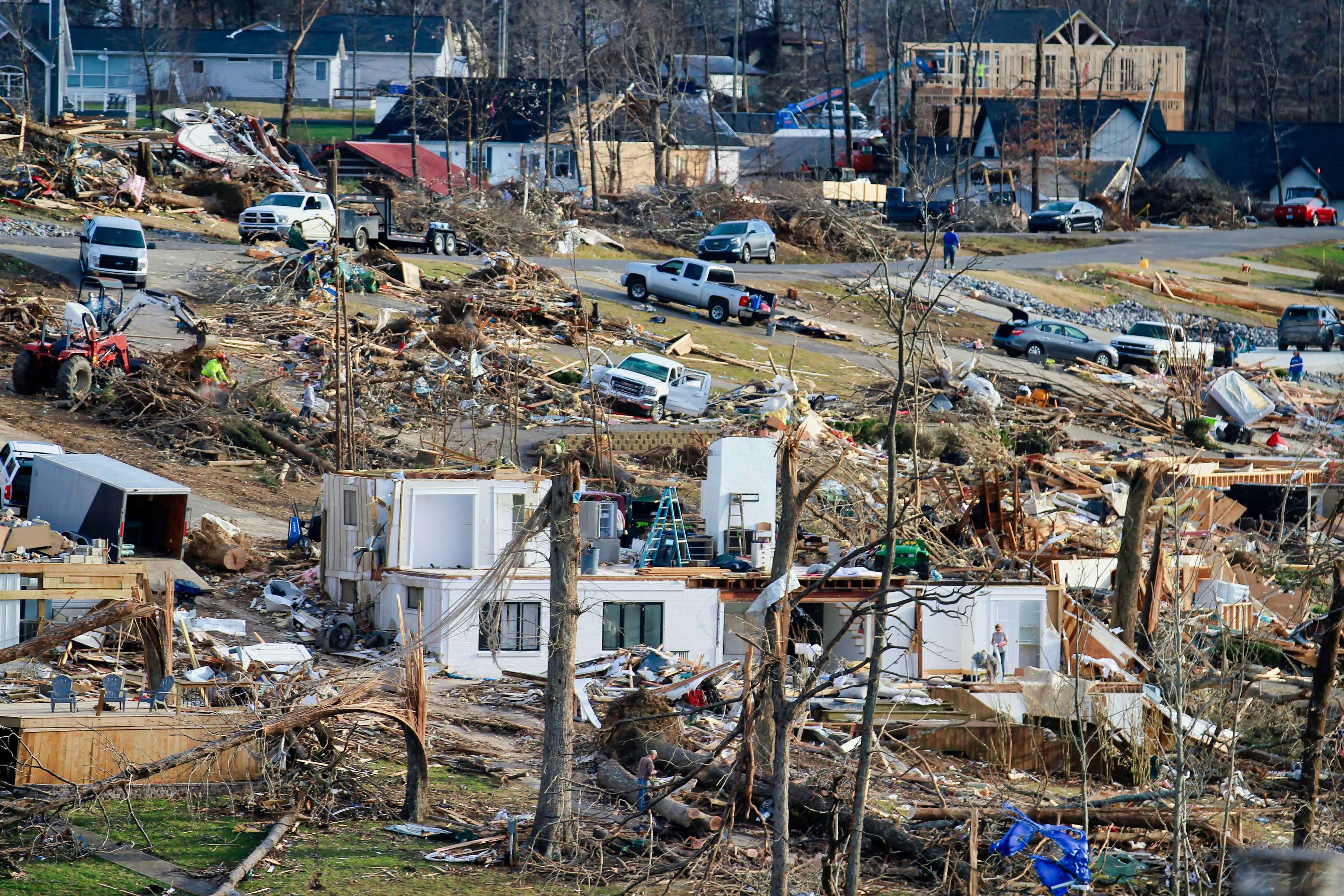
- Structural damage can be severe enough that tornado damage repair becomes the priority over anything else
- Debris removal often has to happen before any real assessment can begin
- Displaced items and materials can end up scattered across a wide area, complicating cleanup
- Emergency response needs to move faster and more aggressively than standard storm repair
The Damage You Don't Notice Right Away
This is the part that catches most people off guard. Storm damage doesn't always announce itself.
- Water traveling behind walls or under flooring often leads to hidden property damage that isn't discovered for weeks
- Moisture sitting in insulation quietly, with nothing to see on the outside
- Small structural stresses that don't show up until months later
- Mold developing in places nobody thought to check
The First Things You Should Actually Do
When a storm just hit and you're standing there trying to figure out where to even start, it helps to have a short, practical list rather than a vague sense of panic.
- Make sure everyone's safe before worrying about the property at all
- Document everything with photos before touching or moving anything
- Address any active water intrusion immediately, even with a temporary fix
- Call a professional for an assessment rather than guessing at the extent of the damage
Large-Scale Weather Events Change the Equation
Sometimes storm damage isn't from a single afternoon thunderstorm — it's from something much bigger.
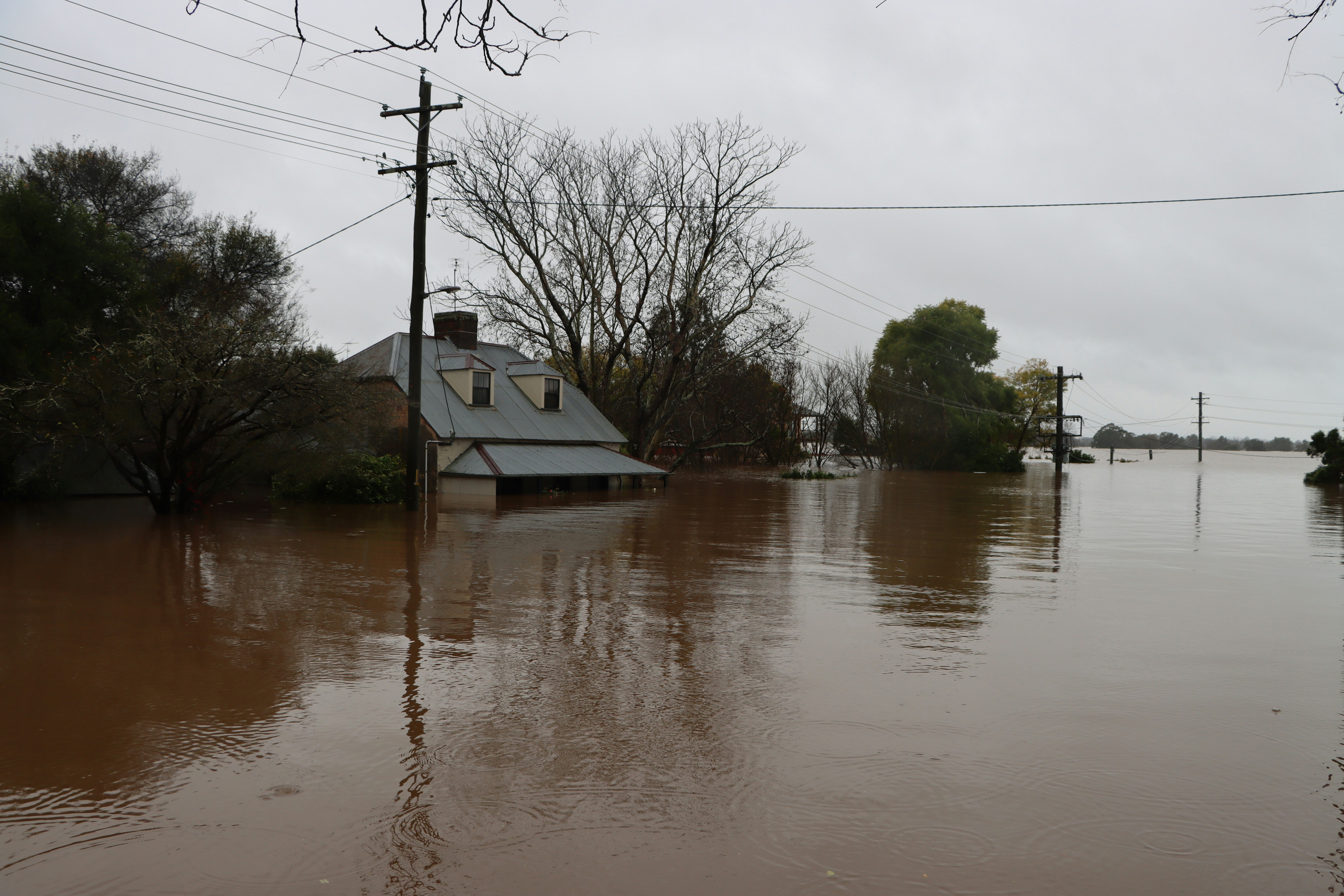
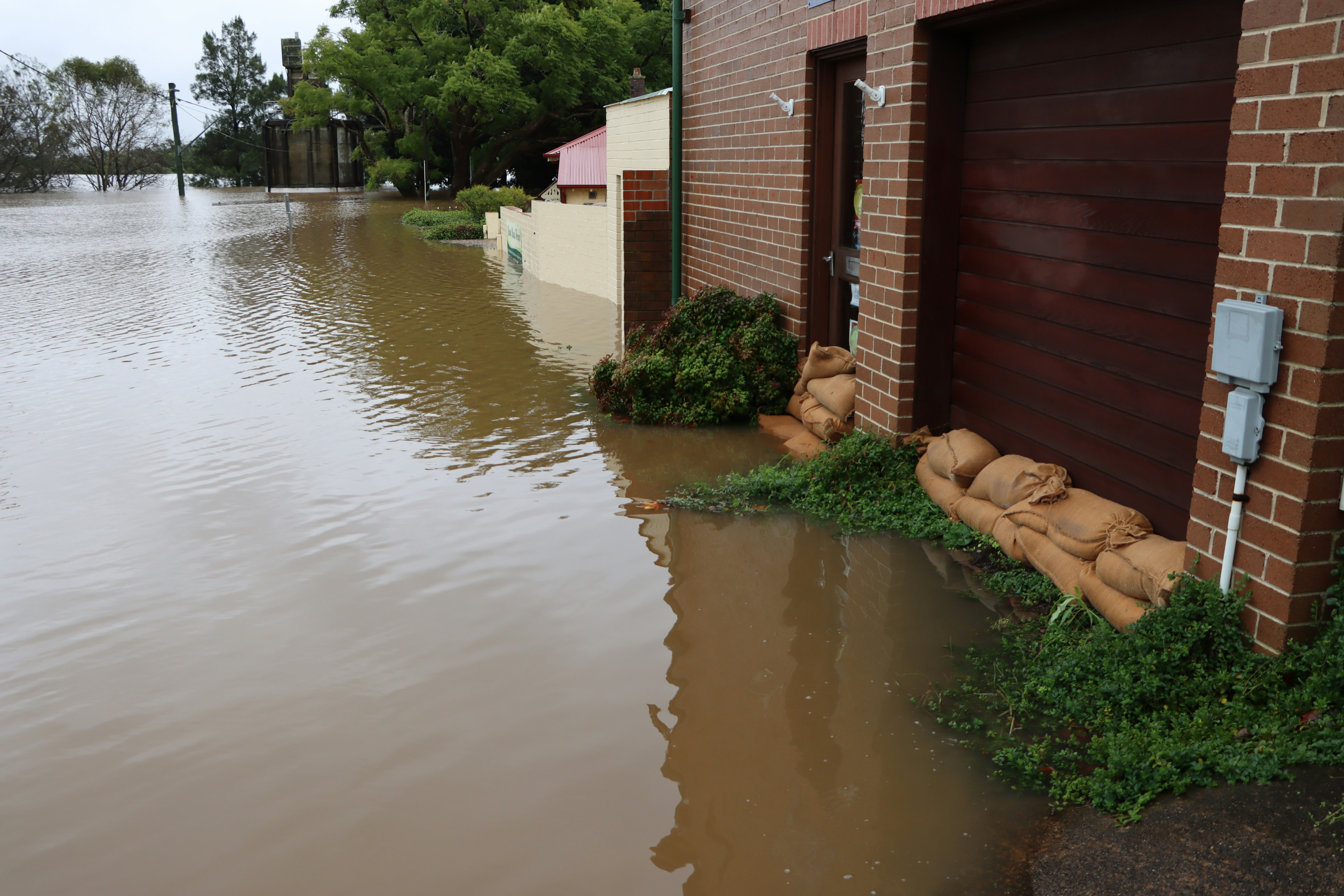
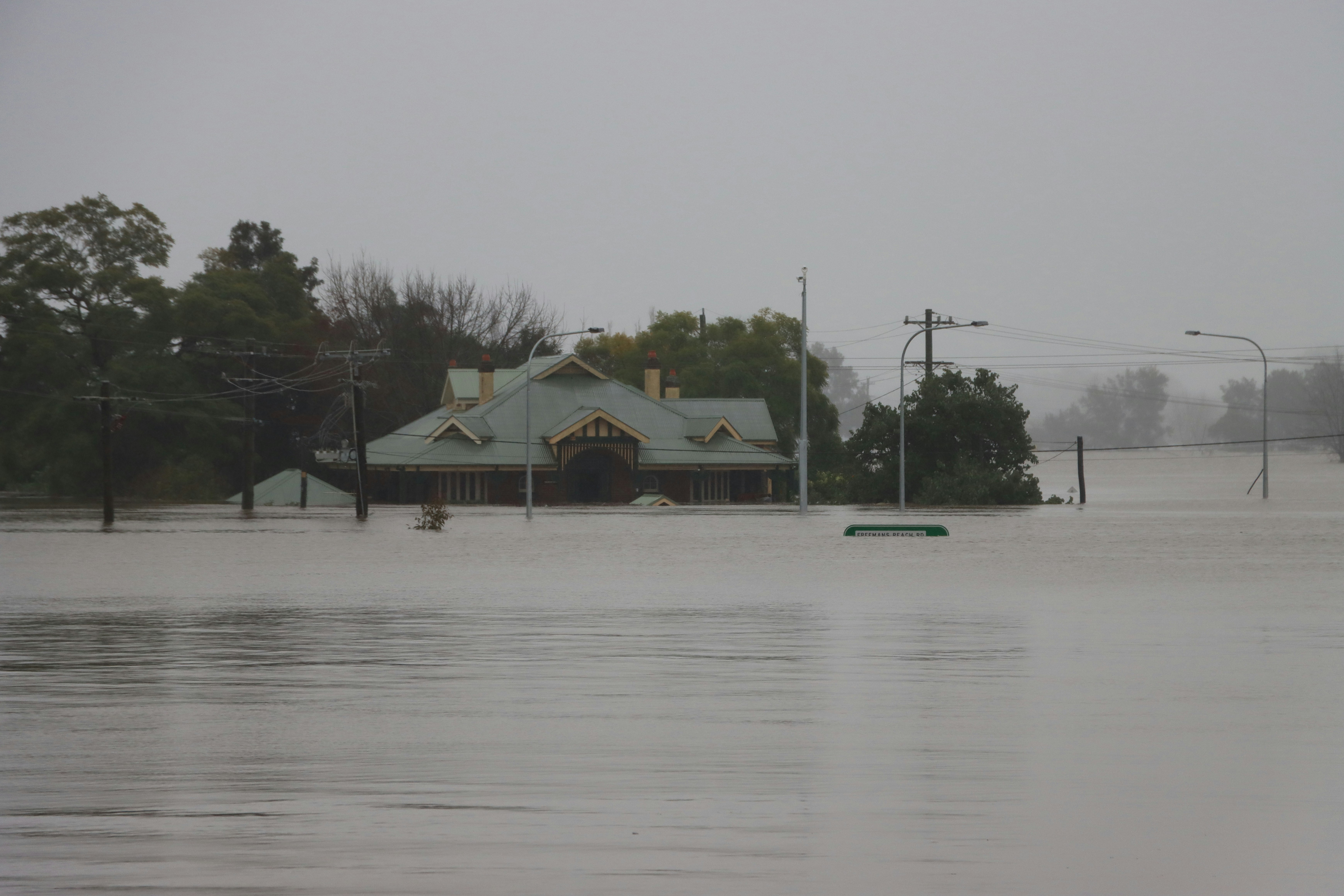
- Sustained flooding from major storm systems causes damage that spreads far beyond the immediate impact zone
- Extended power outages complicate everything from drying equipment to basic safety
- Widespread regional damage means restoration resources get stretched thin fast
- Recovery timelines tend to be measured in weeks or months, not days
Commercial Roofs Face Their Own Unique Risks
Flat and low-slope commercial roofing systems don't behave like residential roofs during a storm, and the restoration approach reflects that.
- Membrane roofing can tear or separate at the seams under storm stress
- Ponding water is a much bigger risk on flat commercial roofs than sloped residential ones
- Rooftop HVAC equipment can be damaged or dislodged during high winds
- Larger surface area means more opportunity for damage to go unnoticed
After a Tornado Specifically
Tornadoes bring their own aftermath checklist, separate from general storm cleanup.
- Basic safety checks come first, which is exactly why we put together a list of what to do after a tornado hits your house
- Photographing damage extensively before any cleanup begins
- Securing the property against further weather exposure or looting
- Contacting insurance early, since tornado claims often move differently than standard storm claims
Frequently Asked Questions
How soon should storm damage be inspected?
As soon as it's safe, ideally within the first day or two. Early inspection catches problems before they compound and gives you stronger documentation for your insurance claim.
Is all storm damage covered by insurance?
Most homeowner and commercial policies cover storm-related damage, but coverage details vary quite a bit depending on your specific policy and the type of damage involved.
How do I know if I need a full restoration or just a repair?
It comes down to the extent and age of the damage. Isolated issues are usually repairable. Widespread, repeated, or structurally significant damage tends to point toward a larger restoration project.
Can storm damage cause mold even if I don't see standing water?
Yes, and it's actually one of the more common ways mold gets started. Trapped moisture behind walls or under flooring doesn't need visible water to cause a serious problem.
What's the biggest mistake people make after a storm?
Waiting to see how bad it is before calling someone. Damage that seems minor at first often isn't, and every day of delay tends to make the eventual repair bigger and more expensive.
Contact NCRI
Whatever kind of storm damage you're dealing with — roof, water, wind, or something more severe — NCRI is ready to assess it, stabilize your property, and get restoration moving before it turns into something bigger.
Call NCRI at 833-409-5778 or email info@ncricat.com to schedule a storm damage assessment today.
Related Posts