Commercial Roof Storm Damage: What Property Owners Need to Know
Commercial Roof Storm Damage: What Property Owners Need to Know
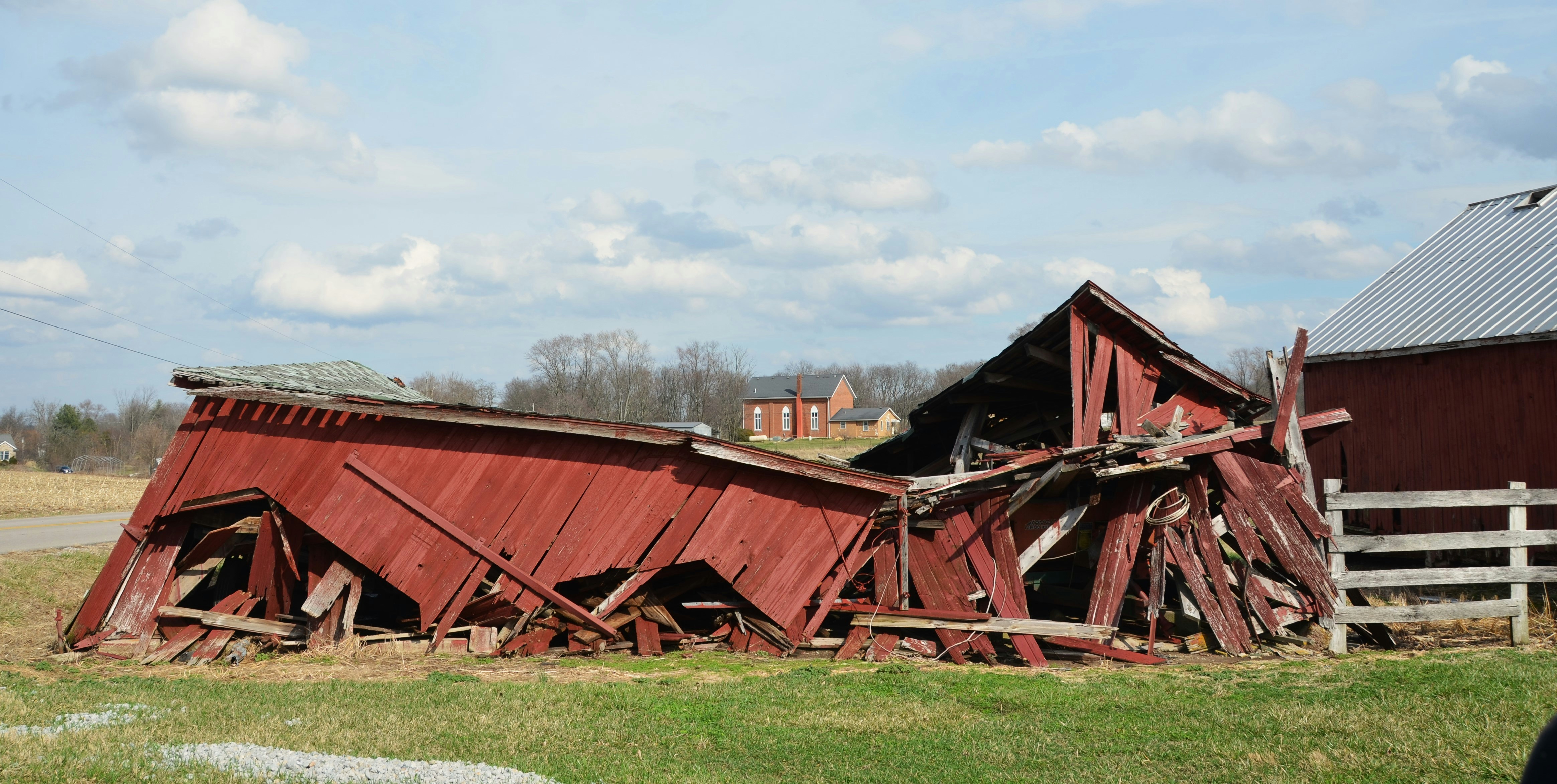
When severe weather hits Kansas City, commercial roofs often take the brunt of the damage. Unlike residential roofs, commercial roofing systems cover much larger surface areas, which means storm damage can be harder to spot and far more costly if it goes unaddressed. Understanding what to look for, how storms damage commercial roofs, and what steps to take next can save property owners significant time, money, and stress.
Commercial roof storm damage isn't always as obvious as a few missing shingles. Flat and low-slope roofs, membrane systems, HVAC units, and drainage systems all create unique vulnerabilities that business owners need to understand.
Why Commercial Roofs Are Especially Vulnerable to Storms
Commercial roofing systems differ significantly from residential roofs, and those differences affect how storms damage them.
- Larger surface area means more exposure to wind, hail, and debris impact.
- Flat or low-slope design allows water to pool instead of draining quickly, increasing the risk of leaks.
- Rooftop equipment like HVAC units, vents, and drains can be damaged or dislodged during high winds.
- Membrane roofing materials (TPO, EPDM, modified bitumen) can tear, puncture, or separate at the seams under storm stress.
- Age and prior wear make existing weak points far more likely to fail during a major weather event.
Because of these factors, commercial water damage often traces back to a roof issue that wasn't caught early enough. A single missed leak point can also lead to more serious burst pipe emergency situations if rooftop plumbing or drainage lines freeze and crack under stress.
Common Signs of Commercial Roof Storm Damage
Property owners and facility managers should watch for the following warning signs after any significant storm:
- Ponding water that doesn't drain within 24–48 hours after rain
- Visible membrane tears, punctures, or bubbling
- Loose or missing flashing around rooftop equipment, edges, or parapet walls
- Debris accumulation blocking drains or scuppers
- Interior ceiling stains or water spots, especially near the roofline
- Damaged or dislodged HVAC units and rooftop equipment
- Sagging areas on the roof surface, which can indicate trapped moisture or structural stress
Any one of these signs on its own may not seem urgent, but combined they often point to deeper issues that only a full inspection can uncover. Reviewing a water leak checklist can help facility managers stay ahead of these warning signs year-round, not just after a storm.
Why Hidden Roof Damage Is a Bigger Risk for Commercial Buildings
A major challenge with commercial roofs is that damage frequently isn't visible from ground level or even during a quick walk of the property. This is part of why hidden property damage after storms is such a common issue after Kansas City storms hit commercial buildings.
- Water can enter through a small membrane puncture and travel across the roof deck before ever showing up as an interior leak.
- Insulation underneath the roofing membrane can absorb moisture silently for weeks.
- Structural decking can weaken gradually, creating safety risks long before any visible sagging appears.
- Rooftop drainage issues can go unnoticed until the next heavy rain causes flooding.
- Trapped moisture that isn't fully dried out can lead to mold — and understanding how long does mold remediation take helps property owners plan around potential downtime.
This is exactly why professional inspection matters so much after storms — trained technicians know where to look and what equipment to use to detect what isn't visible to the naked eye.
What a Professional Commercial Roof Inspection Involves
A proper post-storm inspection goes well beyond a visual check. Here's what property owners can expect:
- Full roof walk to check membrane condition, seams, and flashing points
- Drainage system inspection, including drains, scuppers, and gutters
- Moisture detection scanning using infrared or moisture meter technology
- Interior inspection of ceilings, walls, and support structures below the roofline
- Rooftop equipment check, confirming HVAC units and vents are secure and undamaged
- Full documentation, including photos and a written report for insurance purposes
Thorough storm damage restoration starts with this kind of detailed assessment. It also draws on the same science of water extraction principles used in water damage restoration, since drying and moisture control are just as critical to a roof repair as the physical fix itself. Without this level of detail, repairs can miss underlying issues that resurface after the next storm.
Why Fast Response Protects Your Business
Commercial properties can't afford extended downtime, and roof damage left unaddressed tends to escalate quickly.
- Leaks worsen with every subsequent rain event, especially if drainage issues remain unresolved.
- Mold growth can begin within 24–48 hours of sustained moisture exposure.
- Inventory, equipment, and interior finishes are at risk the longer water intrusion continues.
- Insurance claims are stronger and process faster when damage is documented immediately after the storm.
- Business interruption grows more likely the longer repairs are delayed.
That's why emergency response speed matters so much — stabilizing a damaged roof, preventing further water intrusion, and getting repairs moving before minor damage becomes a major loss. For businesses that experience storm damage repeatedly, having a restoration partner for businesses on retainer means faster response every time, without having to search for help during an already stressful situation.
Repair vs. Full Roof Replacement: How It's Decided
Not every storm-damaged commercial roof needs a full replacement. The right approach depends on a few key factors:
- Extent of damage — isolated membrane punctures or flashing issues can often be repaired directly.
- Roof age — an older roof already near the end of its service life may not be worth repairing repeatedly.
- Frequency of storm exposure — properties hit by multiple severe weather events may have compounding damage that makes replacement more cost-effective long term.
- Insurance coverage — in some cases, insurance settlements make full replacement the more practical option.
- Scale of the project — for larger commercial properties, replacement may fall under a full large-scale restoration effort rather than a standalone roofing job.
A qualified inspection team will walk through these factors honestly, rather than defaulting to the most expensive recommendation. General contractors managing larger rebuilds often rely on general contractor emergency repairs support to keep projects like this moving without delays.
Preparing Commercial Roofs for Future Storms
Once repairs are complete, proactive maintenance goes a long way toward reducing future damage.
- Schedule regular roof inspections, ideally twice a year and after any major storm.
- Keep drains and scuppers clear of debris year-round.
- Trim nearby trees that could drop branches onto the roof during high winds.
- Address minor repairs immediately instead of waiting for them to worsen.
- Review your commercial roof's maintenance history to catch recurring weak points.
- Maintain rooftop HVAC systems, since seasonal summer HVAC cleaning reduces strain on equipment that's already vulnerable during storm season.
For a deeper look at getting ahead of seasonal risk, this guide on preparing for summer storms walks through practical steps commercial property owners can take before the next severe weather season arrives.
And for a broader look at protecting your business long term, NCRI's disaster recovery for commercial properties guide covers everything from prevention strategies to full-scale recovery support.
Frequently Asked Questions
How do I know if my commercial roof has storm damage?
Look for ponding water, visible membrane damage, loose flashing, interior ceiling stains, and displaced rooftop equipment. If you notice any of these, a professional inspection is the safest next step.
How soon should a commercial roof be inspected after a storm?
As soon as it's safe to access the property — ideally within 24 to 48 hours. Early inspection catches damage before it worsens and strengthens documentation for insurance claims.
Does insurance typically cover commercial roof storm damage?
Most commercial property policies cover storm-related roof damage, though coverage details vary by policy. Professional documentation from an inspection helps support a stronger, faster claim.
Can commercial roof storm damage be repaired without replacing the whole roof?
In many cases, yes. Isolated damage like membrane punctures or flashing issues can often be repaired directly, while widespread or repeated damage may point toward full replacement.
What happens if commercial roof damage is left unaddressed?
Untreated damage typically worsens with each subsequent storm, leading to interior water damage, mold growth, and higher repair costs the longer it's left unresolved.
Contact NCRI
If your commercial property has taken storm damage, don't wait for a manageable problem to become a major one. NCRI's team responds quickly across the Kansas City area to inspect, document, and repair commercial roof storm damage before it disrupts your business further.
Call NCRI at 833-409-5772 or email info@ncricat.com to schedule a professional inspection today.
Related Posts