How Long Does Water Damage Take to Dry? What to Expect
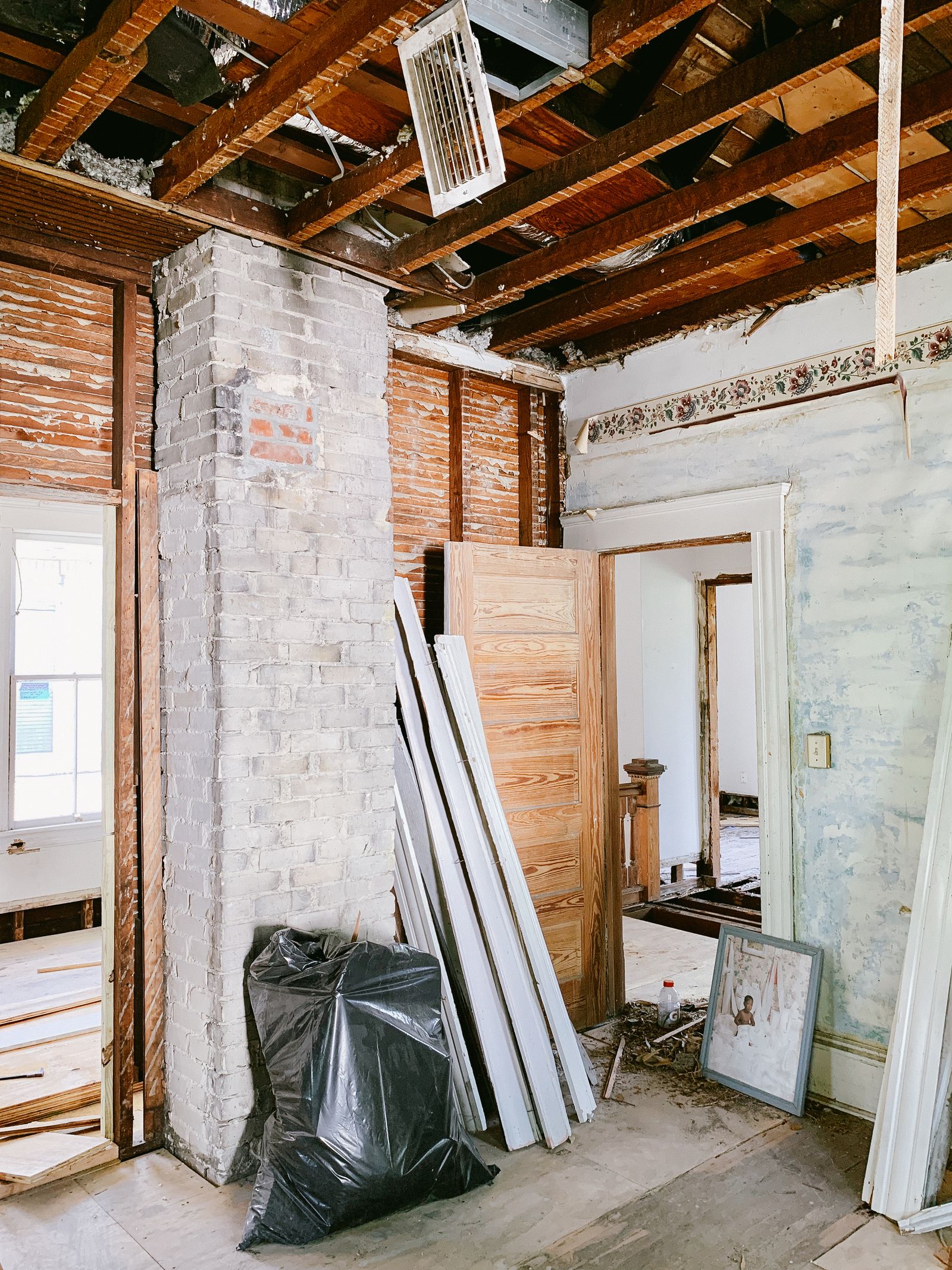
Water damage drying time depends on what became wet, how deeply water traveled, and whether the remaining materials can be dried safely. There is no reliable deadline based only on room size or the number of fans on site. A surface can feel dry while the subfloor, framing, or insulation behind it remains wet.
The practical question is not just how many days equipment will run. It is what evidence will show that the affected structure is ready for the next stage of restoration.
How soon should drying begin?
Respond as soon as the area can be accessed safely and the source is controlled. The CDC recommends cleaning and drying or removing wet items within 24–48 hours after a storm to help prevent mold growth. That is an urgent response target, not a promise that every soaked building assembly can be saved or fully dried in two days.
Water from a sewer backup or flood requires additional contamination assessment. Do not start moving air across contaminated materials before the cleanup plan is established.
What changes the drying timeline?
1. The material and the layers beneath it
Carpet, wood, concrete, drywall, and insulation respond differently to water. Finishes may slow moisture movement. A wet floor covering can also conceal a wet underlayment or subfloor, so checking the visible surface alone gives an incomplete picture.
2. How long the leak continued
A supply-line failure discovered immediately creates a different investigation from a slow leak found after staining appears. The team needs the best available history: when the room was last known to be dry, when the leak was noticed, and whether water returned after an initial repair.
3. Access to trapped moisture
Water can collect below cabinets, inside insulated cavities, and between flooring layers. If a wet assembly cannot be dried effectively in place, selective removal may be necessary. The decision should account for condition, contamination, and the ability to verify progress.
4. Indoor conditions and equipment setup
Drying requires management of moisture in materials and in the surrounding air. Air movers, dehumidifiers, and other equipment serve different purposes. The setup should match the affected space and available electrical capacity. Opening windows or relocating equipment without checking with the crew can change those conditions.
5. Whether the source is actually repaired
Continued water entry can erase progress. Roof leaks, plumbing failures, and condensation problems need their own correction. Drying records are most useful when paired with documentation of the source repair.
What happens during structural drying?
First, the team identifies the affected materials and records starting conditions. Standing water is removed, unsalvageable materials are addressed, and equipment is positioned for the remaining structure. Follow-up readings show whether the plan is working and where adjustments are needed.
Ask for a simple moisture map that identifies the locations being checked. Consistent measurement locations make trends easier to interpret than an isolated reading from a different spot each visit.
The Massachusetts Department of Public Health explains that materials can contain significant moisture without looking visibly wet. This is why visual appearance should be supported by suitable measurements.
How do you know when the building is dry enough?
Ask the restoration lead to explain the drying goals for each material, how they were chosen, and what readings demonstrate progress toward them. Comparisons with appropriate unaffected materials may help establish a useful reference, but different meters and materials should not be treated as interchangeable.
A satisfactory handoff should identify remaining repair needs and any areas that could not be accessed. Drying does not automatically resolve contamination, structural damage, or the cause of the leak.
A checklist before rebuilding
- Confirm that the water source has been corrected.
- Review the affected-area map and final moisture records.
- Ask whether hidden layers and adjacent rooms were checked.
- Confirm which materials were removed and why.
- Resolve any mold, contamination, or structural concerns.
- Check that replacement flooring and finishes meet their manufacturers' installation requirements.
Water damage drying FAQs
Can you turn off the drying equipment at night?
Discuss noise, access, and electrical concerns with the crew before changing the setup. If equipment appears unsafe, stop using it from a safe location and notify the provider. Otherwise, unplanned interruptions can affect the drying conditions.
Does dry carpet mean the floor underneath is dry?
No. The surface, backing, padding, and subfloor can have different conditions. Ask which layers were inspected and how the decision to retain or replace them was made.
Is the room ready as soon as equipment is removed?
Equipment removal is one milestone. Rebuilding, cleaning, repairs, and any necessary inspections may still be pending. Request a written explanation of what is complete and what comes next.
Plan the next step with NCRI
For a property in Wichita, Kansas City, or another NCRI service area, start with a clear assessment of the affected structure. Learn about NCRI's water damage restoration services, or call (800) 598-6274 for 24/7 assistance.
Stock photo: Monica Silvestre / Pexels. Illustrative image; not an NCRI project.
Related Posts