Emergency Board-Up Services: Securing Your Property After Damage
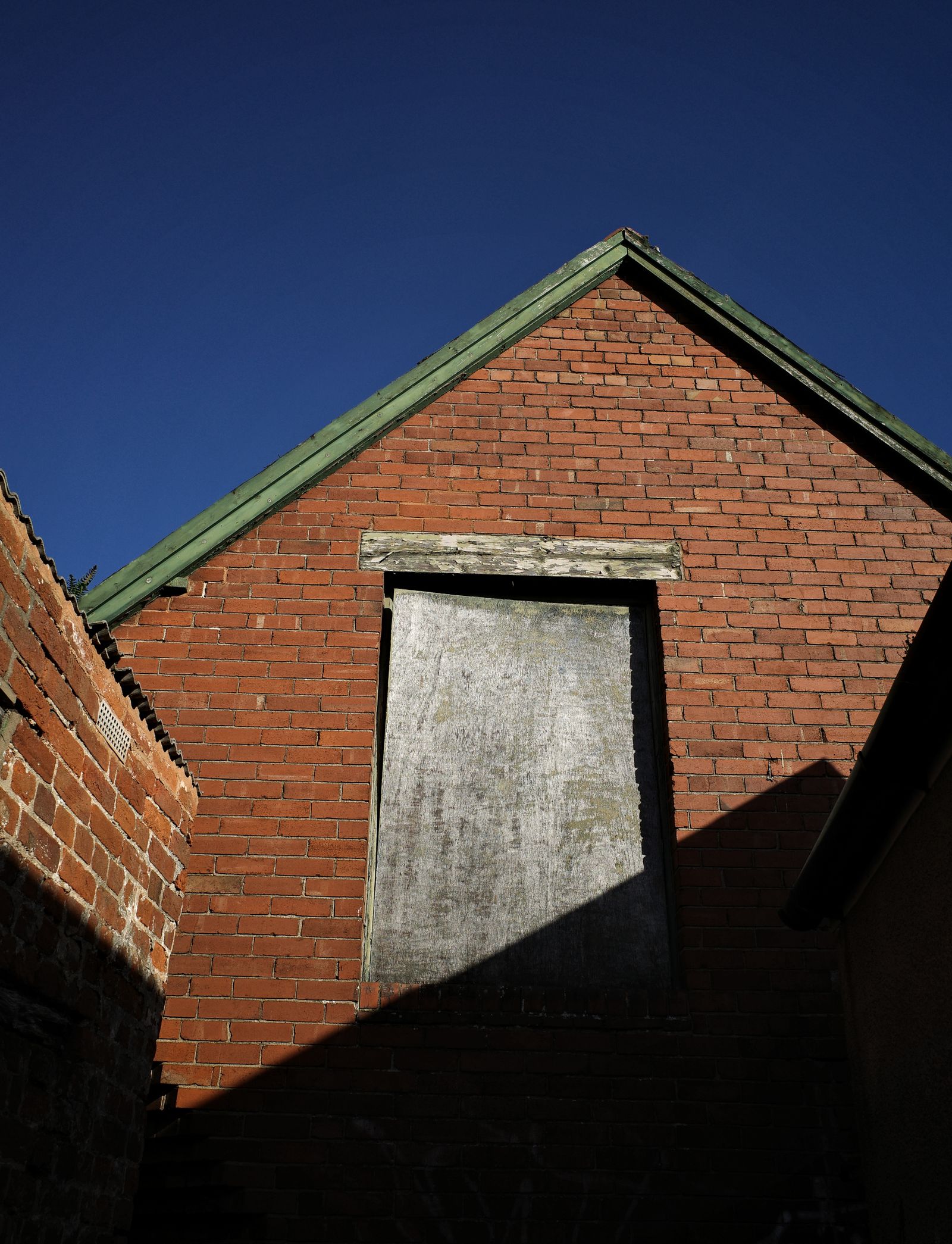
After a fire, storm, vehicle impact, or break-in, a damaged window or doorway can leave a property exposed to weather, debris, and unauthorized entry. Emergency board-up services provide temporary protection while the owner arranges assessment and permanent repairs. The work begins with safe access and a clear understanding of what is damaged.
For businesses and homeowners in Wichita and the Kansas City area, knowing what to request can make the transition from emergency response to reconstruction more organized.
When should you request emergency board-up?
Request an assessment when damage leaves an exterior opening unprotected or an entry point cannot be secured normally. Examples include broken storefront glass, a damaged door frame, windows affected by fire, and openings left after storm damage.
If the incident is still active, follow the directions of emergency responders. Do not enter a fire-damaged building, approach unstable walls, or step beneath loose glass to take measurements. Emergency protection should be installed only when the responsible personnel have established safe conditions for the work.
What does a board-up service include?
The exact scope depends on the opening, the surrounding structure, access, and site conditions. Ask the contractor to identify each opening to be protected and any damage that prevents normal attachment. Temporary protection must be planned around the building rather than applied as a one-size-fits-all cover.
- Site review: identify damaged openings and visible access hazards.
- Temporary closure: install suitable protective materials using a method appropriate to the conditions.
- Access planning: coordinate authorized entry and keep required routes available.
- Documentation: record conditions before and after the work.
- Repair handoff: identify remaining assessment and permanent repair needs.
Ask whether glass removal, debris handling, locks, or other security measures are included. A written scope prevents different parties from assuming that someone else has addressed an exposed area.
Board-up, roof tarping, and structural stabilization are different tasks
Board-up work generally addresses exposed openings such as windows and doors. Temporary roof protection addresses water entry through the roof. Structural stabilization addresses concerns about the building's ability to remain safely supported. A property may need more than one of these services.
A boarded window does not establish that a wall is stable, and a temporary roof covering does not complete the roof repair. Ask the contractor to explain which protective work is appropriate and when a specialist evaluation is needed. Avoid climbing onto a damaged roof or attempting temporary repairs from an unsecured ladder.
Information to have ready when you call
You do not need a complete damage report to request help. From a safe location, provide the property address, type of incident, number and approximate location of visible openings, and the name of the person authorized to coordinate access. Explain whether responders remain on site and whether the building has been cleared for entry.
For commercial sites, mention business hours, public access, loading areas, alarm contacts, and any route that must stay available. For rental property, identify who will communicate with residents and who can approve emergency work.
What affects the scope and cost?
The number and size of openings are only part of the scope. Height, access equipment, damaged framing, debris, site restrictions, and additional temporary protection can also matter. Ask for an itemized explanation and clarify how changes will be authorized if the crew finds more damage.
Keep emergency work records separate from permanent repair proposals. That makes it easier to understand what was done to protect the site and what remains to restore it. Coverage and payment questions should be reviewed with the relevant insurer; temporary protection should not be described as a guarantee of claim approval.
How temporary protection connects to permanent repairs
After the property is secured, arrange assessment of the surrounding materials and the cause of the damage. Fire and smoke, water intrusion, damaged electrical components, and structural concerns may require additional evaluation before finishes are replaced.
Use a single repair list that identifies each opening, the temporary measure installed, the required permanent work, and the person responsible for the next decision. Set a follow-up plan for checking temporary protection after additional weather and for removing it when replacement work begins.
Emergency board-up FAQs
Is board-up a permanent repair?
No. It is an interim protective measure. Damaged windows, doors, frames, and other building components still need an appropriate repair or replacement plan.
Can a business remain open after board-up?
That depends on the damage and whether safe access, required exits, utilities, and operations can be maintained. Coordinate occupancy decisions with the appropriate building personnel and authorities. A secured opening alone does not make the whole site ready for use.
Should you photograph the property first?
Photograph visible damage from a safe position when possible. Do not delay necessary safety measures or approach hazards to obtain an image. Ask the contractor to document the protective work as part of the job record.
Ask NCRI about emergency protection and rebuilding
NCRI's construction services include emergency board-up and temporary roof repairs. For help after a fire or storm, call (800) 598-6274 for 24/7 assistance. You can also review NCRI's fire damage services or storm damage services when planning the wider recovery.
Stock photo: Ellie Burgin / Pexels. Illustrative image; not an NCRI project.
Related Posts