Apartment Water Damage: Managing Leaks Across Multiple Units
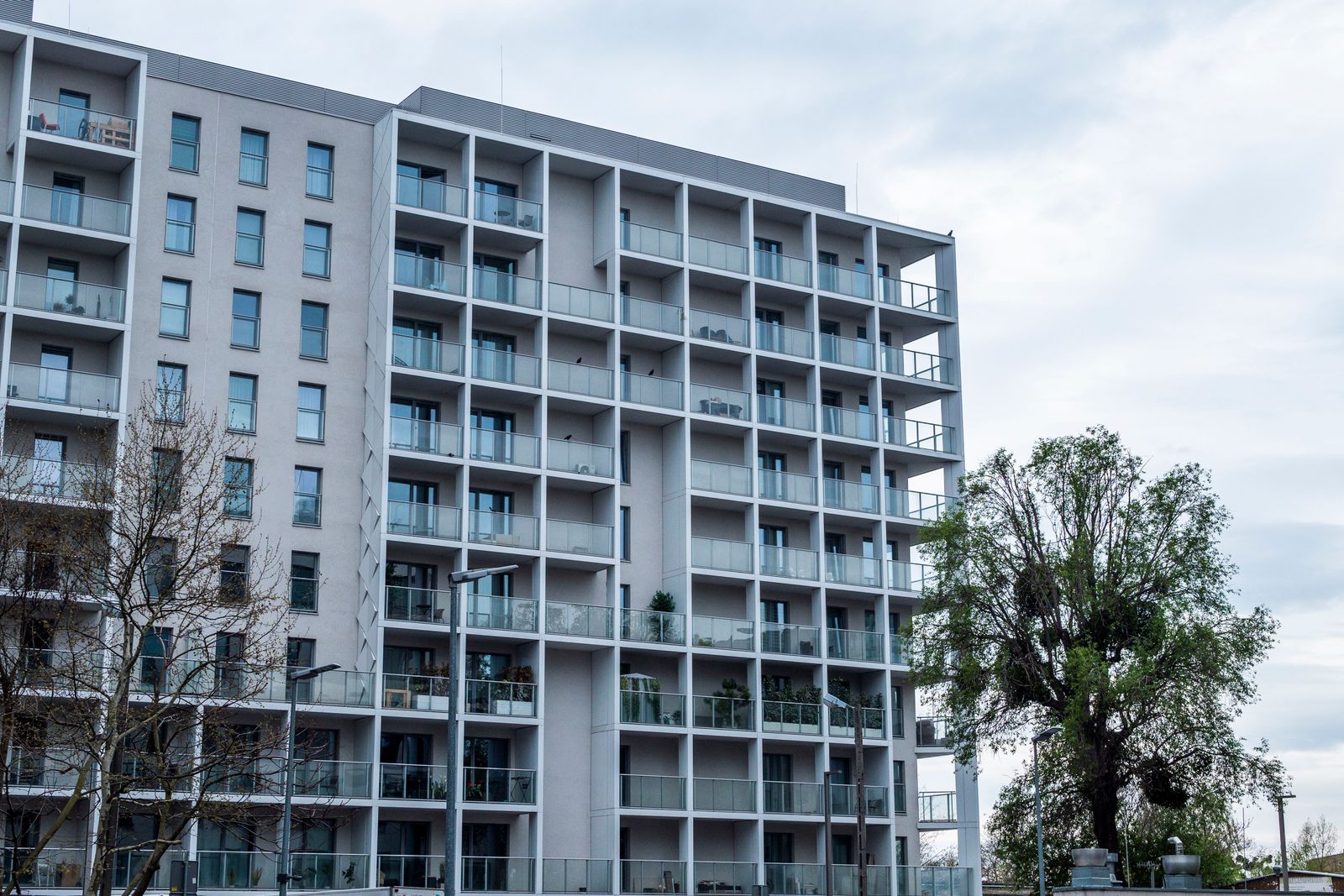
A leaking apartment ceiling may be the first visible sign of a problem that began on another floor. Water can follow shared plumbing paths, wall cavities, and floor assemblies, so the unit with the largest stain may not be the only one affected. Effective apartment water damage restoration requires one coordinated investigation across the relevant spaces.
For multifamily property managers in Wichita and the Kansas City area, the first task is to connect source control, safe access, resident communication, and restoration into a single plan.
What residents should do when a leak appears
Notify the property's emergency maintenance contact immediately. Describe the exact location, whether water is actively dripping, and whether lights, outlets, or electrical appliances are nearby. Take photographs from a safe position and note the time.
Stay away from a sagging ceiling, wet electrical fixtures, and standing water near powered equipment. Do not puncture a ceiling or open a wall to investigate. If there is an immediate danger, leave the affected area and call emergency services. Move belongings only when that can be done without entering a hazardous area.
Let management coordinate access to other units. A resident should not need to diagnose another household's plumbing before reporting a problem.
What the property manager should coordinate first
- Assign one incident contact. Give residents and contractors a clear point of contact and an after-hours number.
- Arrange source control. Send qualified maintenance personnel or a plumber to investigate. Identify any shutoff decision without asking residents to operate unfamiliar building systems.
- Identify affected spaces. Include units beside and below the suspected source, relevant common areas, and accessible service spaces.
- Plan safe access. Coordinate entry through the property's established procedures and communicate restricted areas.
- Bring in restoration support. Request an assessment that covers the full suspected water path, rather than treating each stain as an isolated repair.
Why moisture mapping matters in a multifamily building
Keep a separate record for each unit and common area, connected to a shared incident map. The record should identify affected rooms, materials, visible damage, measurement locations, and any limits on access. This helps prevent a dry-looking neighboring space from being overlooked.
For example, if an upstairs washing-machine connection leaks, the investigation might include that unit's floor, the ceiling below, adjacent walls, and the area where water collected. The actual inspection follows the building's construction and observed conditions; it should not assume that every leak takes the same path.
Repeatable measurements help the restoration team explain which spaces are improving and which need more investigation. The Massachusetts water damage response guidance emphasizes addressing water in cavities and allowing those spaces to dry before reconstruction.
Give residents updates they can use
A practical update should state what residents need to do, where access is restricted, when contractors expect to return, and how to report a change. Do not promise a return-to-normal date before the scope and drying progress support it.
- Which rooms or routes should remain clear?
- When will contractors need access?
- Can residents use the affected plumbing and electrical systems?
- Who should residents contact if water reappears?
- What is the next decision point for drying, repairs, or access?
Share building-wide instructions broadly, but keep unit-specific photographs and personal information within the incident team. Consistent updates reduce confusion when several contractors are working in the same building.
Keep the repair scope organized by unit
One incident can involve several kinds of work: plumbing repair, removal of damaged finishes, structural drying, cleaning, flooring replacement, and reconstruction. Track those tasks separately so a completed source repair is not mistaken for a completed restoration.
Before rebuilding, ask for drying records and an explanation of any unresolved issues. Replacement finishes should not conceal wet or unassessed materials. If contamination or mold is identified, the team should address it through an appropriate scope before routine finish work proceeds.
Apartment water damage FAQs
Who pays when water comes from the apartment above?
The location of the visible leak does not establish responsibility. Preserve records and refer the question to property management and the relevant insurers, who can evaluate the cause, agreements, and applicable coverage. Cleanup planning should not depend on residents assigning blame.
Should every unit use a different drying plan?
Each space needs an assessment, but the work should be coordinated. Shared records help contractors track water movement and avoid leaving an affected cavity between otherwise completed rooms.
Can residents stay during restoration?
That depends on the conditions, the work area, and whether essential services and safe access remain available. Management should coordinate a clear occupancy and access plan with qualified personnel rather than making assumptions from the appearance of the damage.
Coordinate multifamily restoration with NCRI
NCRI offers water damage restoration and construction services to help connect mitigation with repairs. Call (800) 598-6274 for 24/7 assistance, or contact NCRI to discuss an apartment property's recovery needs.
Stock photo: SHOX ART / Pexels. Illustrative building; not an NCRI project.
apartment-water-damage-multiple-units
Related Posts