What to Do in the First 24 Hours After Commercial Water Damage
Commercial water damage is a race against time. Whether caused by burst pipes, HVAC failures, roof leaks, or sprinkler malfunctions, the first 24 hours after a water loss can determine the extent of structural damage, mold growth, business interruption, and insurance costs.
For commercial buildings, apartment complexes, and industrial facilities, a delayed response can quickly turn a manageable issue into a major loss. Here’s exactly what property managers and building owners should do during the critical first day after commercial water damage.
Hour 0–2: Ensure Safety & Stop the Source
The first priority is protecting occupants and preventing further damage.
Immediate steps:
- Shut off the water source if it’s safe to do so
- Turn off electricity in affected areas to reduce electrical hazards
- Evacuate tenants or staff from unsafe zones
- Identify potential slip, fall, or structural risks
Commercial buildings often involve larger systems, shared utilities, and higher occupancy, making professional assessment essential early on.
Hour 2–6: Contact a Commercial Restoration Company
Time is critical. Water begins penetrating drywall, insulation, flooring, and structural components almost immediately.
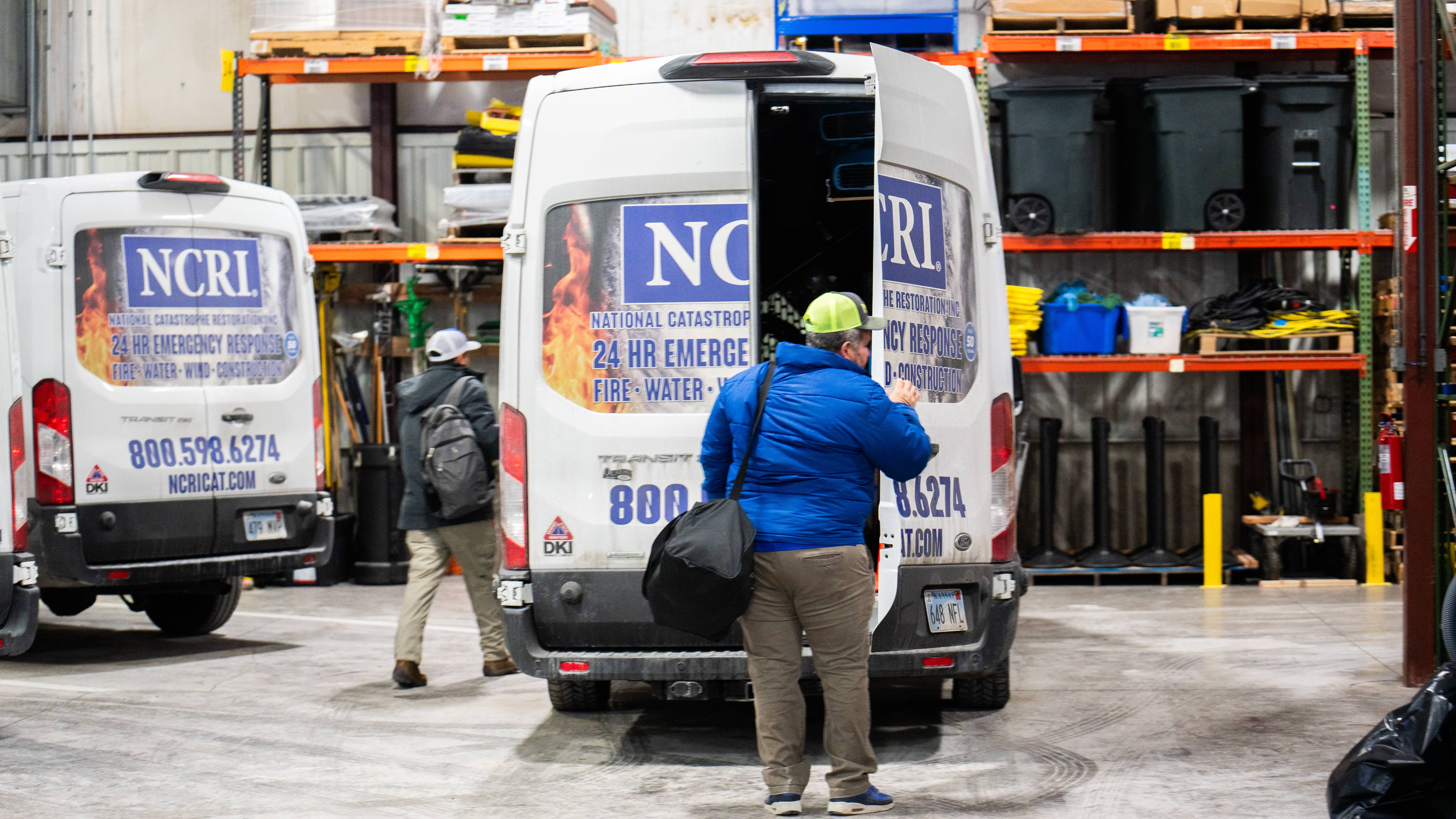
A commercial restoration company like NCRI provides:
- 24/7 emergency response
- Industrial-grade water extraction
- Moisture mapping and thermal imaging
- Immediate stabilization to prevent secondary damage
Early intervention significantly reduces drying time, repair costs, and mold risk.
Hour 6–12: Document Damage for Insurance
Proper documentation is essential for commercial insurance claims.
What to document:
- Photos and videos of affected areas
- Equipment, inventory, and tenant space damage
- Source of water loss (if known)
- Timeline of events and response actions
NCRI works directly with property managers and insurance adjusters to ensure documentation is accurate, thorough, and claim-ready.
Hour 12–24: Begin Drying & Mitigation
Once water extraction is complete, professional drying begins.
This includes:
- High-capacity dehumidifiers
- Commercial air movers
- Monitoring moisture levels in walls and flooring
- Preventative antimicrobial treatments
Drying is not a “set it and forget it” process commercial buildings require ongoing monitoring to ensure hidden moisture is addressed before mold can form.
Why the First 24 Hours Matter
Failing to act quickly can result in:
- Mold growth within 24–48 hours
- Structural deterioration
- Higher insurance claim scrutiny
- Extended tenant displacement
- Business interruption losses
A rapid, professional response protects both the property and the long-term value of the asset.
NCRI’s Commercial Water Damage Response
NCRI specializes in large-scale, commercial, and multi-family restoration. Our teams are trained to handle complex buildings, after-hours emergencies, and multi-unit losses with minimal disruption.
24/7 Emergency Commercial Restoration
Serving Kansas City and surrounding Midwest markets
Related Posts