Why Mold Keeps Coming Back (And How Professionals Stop It for Good)
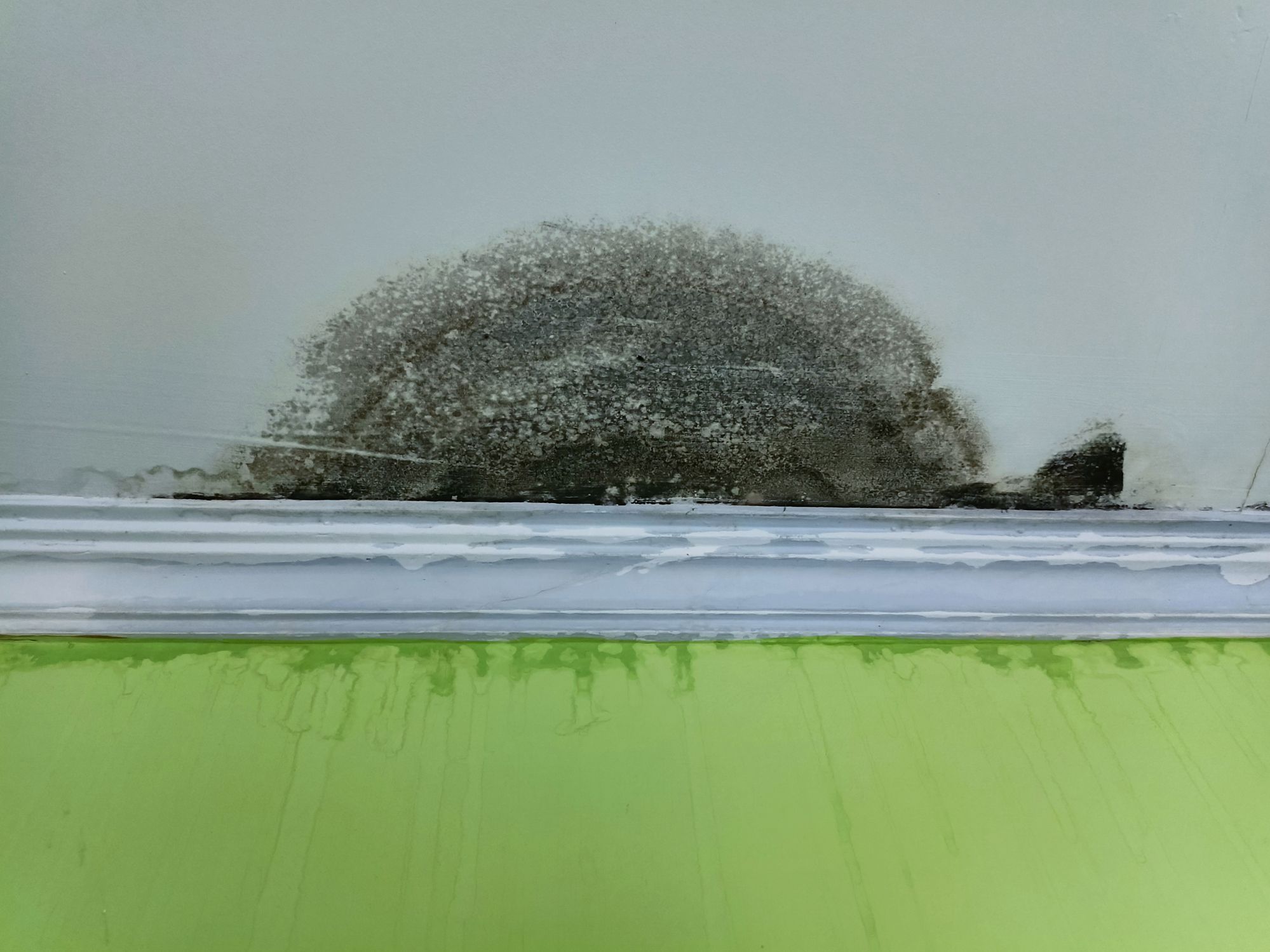
Mold is one of the most frustrating problems property owners face especially when it keeps returning even after cleanup. Many businesses believe the issue has been “taken care of,” only to see mold reappear weeks or months later. The truth is, recurring mold is almost always a sign that the root cause was never fully addressed.
Here’s why mold keeps coming back and how professional remediation stops it permanently.
Why Mold Returns After Cleanup
1. The Moisture Source Was Never Fixed
Mold doesn’t grow without moisture. If a roof leak, plumbing issue, condensation problem, or hidden water intrusion remains unresolved, mold will return no matter how many times it’s cleaned.
Common hidden moisture sources include:
- Leaking roof flashing
- Slow plumbing leaks inside walls
- Poor HVAC drainage or humidity control
- Moisture trapped beneath flooring or insulation
If moisture stays, mold stays.
2. Surface Cleaning Isn’t Mold Remediation
Many “mold cleanups” only treat what’s visible. Wiping down walls, fogging the air, or spraying antimicrobial solutions may temporarily improve appearance—but mold often lives behind drywall, under flooring, and inside wall cavities.
Without removing affected materials and addressing hidden growth, mold spores remain active and spread again.
3. Improper Containment Causes Re-Spread
Mold remediation must be carefully contained. Without negative air pressure, HEPA filtration, and proper isolation, spores can migrate to unaffected areas during cleanup creating new mold problems elsewhere in the building.
This is especially common in offices, healthcare spaces, and large commercial properties.
4. Incomplete Drying After Water Damage
Even a small amount of lingering moisture can restart mold growth. If structural drying isn’t thorough inside framing, insulation, and subfloors mold can return long after the initial water damage appears resolved.
How Professionals Stop Mold for Good
Comprehensive Moisture Detection
Professional remediation starts with finding the moisture, not just the mold. This includes:
- Moisture mapping
- Thermal imaging
- Humidity and airflow analysis
Until moisture is controlled, remediation is incomplete.
Safe Removal of Contaminated Materials
True mold remediation involves physically removing affected materials when necessary not just treating them. This prevents regrowth and stops spores at the source.
Proper Containment & Air Filtration
Professional teams use:
- Negative air machines
- HEPA filtration
- Sealed containment zones
This ensures mold spores don’t spread during the remediation process.
Structural Drying & Environmental Control
Drying is just as important as removal. Professionals ensure:
- Building materials reach safe moisture levels
- Humidity is stabilized
- Ventilation issues are corrected
This creates an environment where mold cannot return.
Why DIY Mold Solutions Usually Fail
DIY solutions often focus on appearance, not cause. Bleach, foggers, and air fresheners may temporarily mask odors or stains but they do not eliminate mold at its source. In some cases, they can even make the problem worse by disturbing spores.
Protecting Your Property Long-Term
Recurring mold isn’t just a nuisance it’s a sign of ongoing building damage and potential indoor air quality issues. Addressing mold correctly the first time protects:
- Occupant health
- Structural integrity
- Property value
- Insurance eligibility
When to Call a Professional
If mold has returned once, it will likely return again unless handled properly. A professional assessment can determine whether hidden moisture or contamination still exists and stop the cycle permanently.
NCRI provides professional mold remediation services designed to eliminate mold at the source, not just on the surface helping property owners avoid repeat issues, downtime, and unnecessary costs.
Related Posts