Water Damage Near Me: What to Do in the First Few Hours
Water Damage Near Me: What to Do in the First Few Hours
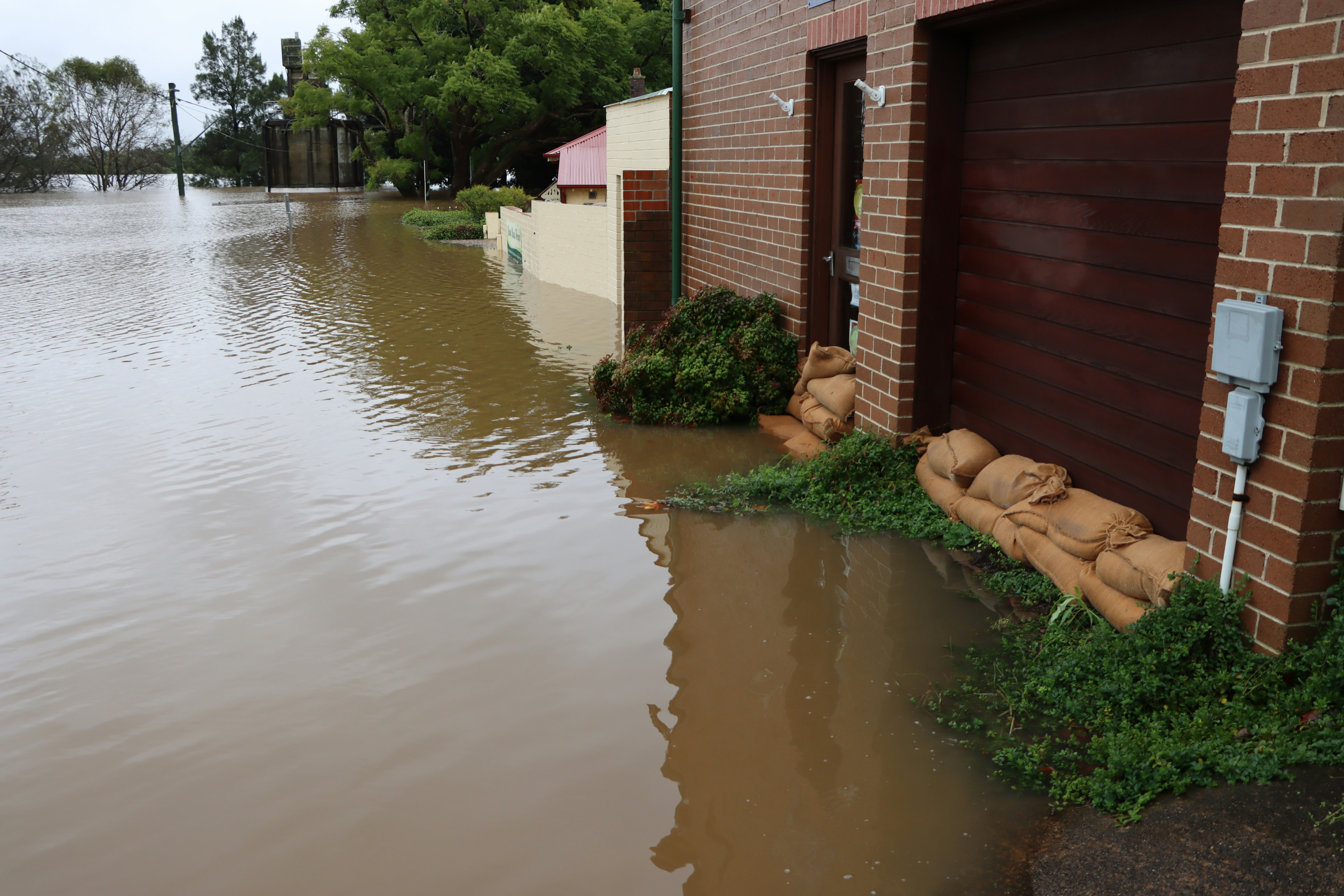
If you're searching for water damage near me, there's a good chance water is actively spreading somewhere in your home or business right now. Before anyone arrives, there are a few things worth doing immediately, and a few things worth avoiding, that can meaningfully limit how much damage occurs before professional help gets there.
Why the First Few Hours Matter So Much
Water doesn't wait. Within just a few hours, it can soak into drywall, flooring, and furniture, and the longer it sits, the more materials absorb before anyone even starts the cleanup process. What you do, or don't do, in this window often determines whether the eventual repair is straightforward or extensive.
What to Do Right Now, If It's Safe
If the situation is safe to approach, a few immediate steps help. Stop the water source if you can safely do so, whether that's shutting off a main water valve or turning off an appliance. Move valuables and furniture away from the affected area if the water hasn't reached them yet. Take photos of the damage before doing anything else, since this documentation matters for insurance. And avoid using electrical outlets or appliances near standing water.
When to Stop and Wait for Professional Help
Some situations call for waiting rather than acting. If water is near an electrical panel or outlets, don't attempt to address it yourself. If the water source is unclear, a hidden pipe or something behind a wall, don't tear into anything trying to find it. And if there's any smell of sewage or the water looks contaminated, avoid contact entirely and wait for a professional assessment.
Understanding What Kind of Water You're Dealing With
Not all water carries the same risk, and it matters for how you should respond while waiting. Understanding the difference between the categories of water damage helps you know whether you're dealing with something relatively safe to be near, like a clean supply line leak, or something that needs to be avoided entirely until professionals arrive.
Common Sources of Sudden Water Damage
A lot of water damage traces back to a handful of recurring causes. If a pipe has actually burst, knowing what to do immediately when a pipe bursts can help you respond correctly in the moment rather than guessing. More broadly, understanding common causes of water damage helps you recognize what you're dealing with even before a professional confirms it.
Why Waiting Too Long Makes Everything Worse
Every hour water sits untreated increases the risk of mold, since spores can begin developing within just 24 to 48 hours in the right conditions. It also increases how much material needs to be removed rather than simply dried, since prolonged saturation often means drywall, flooring, or insulation can't be salvaged. This is exactly why response speed matters so much once professional help is on the way.
What Happens Once Help Arrives
Once a restoration team is on site, the process shifts from immediate damage control to actual extraction and drying. Understanding how proper water extraction and drying works explains why this stage takes real time, materials need to reach a verified moisture level, not just appear dry on the surface.
Recognizing Damage You Might Not See Right Away
Even after visible water is addressed, some damage isn't obvious immediately. Knowing the broader signs of water damage to watch for in the days following an incident helps catch anything that wasn't fully resolved during the initial response. This is also when hidden property damage tends to surface, especially if the water source was tied to a storm rather than an isolated plumbing issue.
Frequently Asked Questions
Should I try to clean up water myself before help arrives?
For minor, clean water situations, light cleanup is fine. For anything involving electrical risk, contamination, or a large volume of water, it's safer to wait for professional equipment and assessment.
How fast should a water damage company respond to an active situation?
Ideally within a couple of hours for genuinely active water intrusion, since delays significantly increase the extent of damage and mold risk.
Is it okay to run fans or a dehumidifier while waiting for help?
Yes, if it's safe to do so and the water isn't contaminated, basic air circulation can help slow damage until professional drying equipment arrives.
What should I avoid doing while waiting for a restoration company?
Avoid using electrical devices near water, avoid opening walls to investigate a hidden source yourself, and avoid contact with any water that looks contaminated.
Contact NCRI
If water damage is happening right now, don't wait to see how bad it gets. NCRI responds quickly across the Kansas City area to stop the spread and begin proper extraction and drying.
Call NCRI at 833-409-5778 or email info@ncricat.com for immediate water damage assistance.
Related Posts