How Storm Damage Can Lead to Hidden Mold Problems
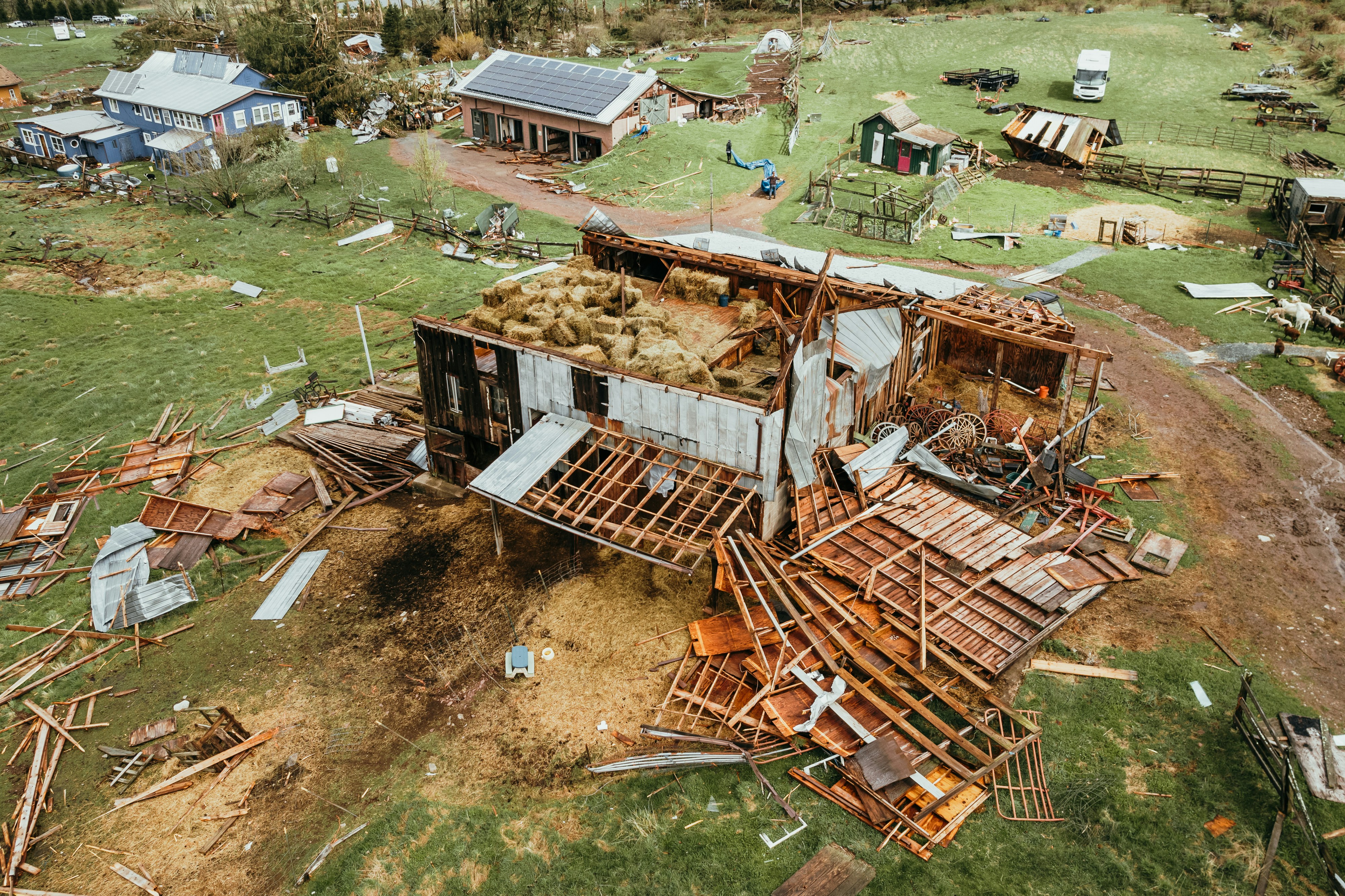
Severe storms can leave behind more than broken shingles, fallen trees, or flooded basements. Even after the skies clear, moisture trapped inside your home can continue causing damage for weeks or even months. One of the biggest concerns after a storm is hidden mold growth.
Water can seep into walls, ceilings, insulation, flooring, and crawl spaces without immediately showing visible signs. As moisture lingers, mold spores begin to grow, often remaining unnoticed until the damage becomes extensive. This hidden mold can weaken building materials, affect indoor air quality, and increase restoration costs.
Understanding how storms contribute to mold growth can help homeowners act quickly and protect their property before minor water damage turns into a major restoration project.
How Storms Create Ideal Conditions for Mold
Mold only needs three things to grow:
- Moisture
- Organic materials such as wood or drywall
- Moderate temperatures
Storms provide all three conditions.
Heavy rainfall, flooding, roof leaks, damaged siding, and broken windows allow water to enter areas of the home that normally stay dry. Once moisture becomes trapped inside walls or beneath flooring, mold can begin growing within 24 to 48 hours if the affected area is not dried properly.
Because much of this moisture remains hidden, homeowners often don't realize mold is developing until unpleasant odors or visible discoloration appear.
Common Sources of Storm-Related Water Damage
Every storm affects homes differently, but some types of damage are especially likely to lead to hidden mold.
Roof Damage
High winds can loosen shingles or damage flashing around chimneys and vents. Rainwater may enter through these openings and soak insulation, attic spaces, and ceilings without creating immediate leaks inside the living space.
Broken Windows and Doors
Strong winds and flying debris can damage windows and doors, allowing rainwater to enter the home.
Water may collect beneath flooring, inside walls, or around window frames where mold can develop unnoticed.
Flooded Basements
Basements are among the most vulnerable areas during severe storms.
Poor drainage, overflowing sump pumps, and rising groundwater often leave moisture trapped beneath carpets, behind finished walls, and inside insulation.
Damaged Siding
Cracked or loose siding allows rainwater to penetrate exterior walls.
Although the outside of the home may appear undamaged, moisture trapped inside wall cavities creates an ideal environment for mold.
Hidden Areas Where Mold Commonly Develops
One of the biggest challenges after storm damage is that mold often grows in places homeowners rarely inspect.
Common hidden locations include:
- Behind drywall
- Inside wall insulation
- Under hardwood flooring
- Beneath carpeting
- Crawl spaces
- Attics
- Ceiling cavities
- HVAC ductwork
- Around plumbing penetrations
By the time mold becomes visible, it has often been growing for several weeks.
Why Hidden Moisture Is Difficult to Detect
Water doesn't always remain where it first enters the home.
It can travel along framing, pipes, electrical wiring, and insulation before settling in lower areas of the structure. This movement allows moisture to spread far beyond the original leak.
Unfortunately, surfaces may appear completely dry while moisture remains trapped underneath.
Professional restoration companies use moisture meters, thermal imaging cameras, and humidity monitoring equipment to locate hidden moisture before mold develops.
Signs Mold May Be Growing After a Storm
Even if you cannot see mold, your home may show warning signs that hidden moisture is present.
Watch for:
- Musty or earthy odors
- Water stains on ceilings or walls
- Bubbling paint
- Peeling wallpaper
- Warped flooring
- Soft drywall
- Increased indoor humidity
- Allergy-like symptoms indoors
If any of these signs appear after a storm, further inspection is recommended.
The Impact on Your Home
Hidden mold doesn't simply stain walls.
As it spreads, mold can damage many structural materials including:
- Drywall
- Wooden framing
- Ceiling materials
- Flooring systems
- Cabinets
- Insulation
Long-term moisture exposure may weaken structural components and increase the amount of restoration work required.
The longer mold remains untreated, the more expensive repairs typically become.
Indoor Air Quality Concerns
Mold releases microscopic spores into the air as it grows.
These spores circulate through the home and may reduce indoor air quality, especially when mold develops inside HVAC systems or ventilation ducts.
Poor indoor air quality can make living spaces less comfortable and create unpleasant odors throughout the property.
Prompt drying and professional remediation help reduce airborne mold contamination.
Why Quick Water Removal Matters
The first 48 hours after storm damage are critical.
Removing standing water immediately helps prevent moisture from soaking deeper into building materials.
Professional restoration companies use commercial-grade equipment such as:
- High-capacity water extractors
- Industrial air movers
- Commercial dehumidifiers
- HEPA air filtration systems
- Moisture detection equipment
These tools dry affected areas much faster than household fans or portable dehumidifiers.
Preventing Mold After Storm Damage
Although severe weather cannot always be avoided, homeowners can reduce the likelihood of mold by acting quickly.
Recommended steps include:
- Inspect the roof after every major storm.
- Repair damaged shingles immediately.
- Check ceilings for water stains.
- Dry wet materials within 24–48 hours.
- Remove standing water as soon as possible.
- Keep gutters clean.
- Inspect basements and crawl spaces regularly.
- Use dehumidifiers if indoor humidity remains high.
- Schedule a professional inspection after significant flooding.
Early action greatly reduces the chance of hidden mold becoming a larger problem.
The Importance of Professional Restoration
Storm damage often extends far beyond what homeowners can see.
Professional restoration specialists perform comprehensive inspections to identify hidden moisture, evaluate structural damage, and develop an effective restoration plan.
Their services may include:
- Water extraction
- Structural drying
- Moisture mapping
- Mold inspection
- Mold remediation
- Sanitization
- Reconstruction of damaged materials
Addressing both the water damage and any resulting mold helps restore the property safely while preventing recurring issues.
Conclusion
Storms can leave behind hidden moisture that quietly damages your home long after the weather has improved. Water trapped behind walls, under flooring, or inside insulation creates ideal conditions for mold growth, often without any visible warning signs. Ignoring these hidden problems can lead to costly repairs, structural deterioration, and poor indoor air quality.
Taking immediate action after storm damage is the best way to protect your home. Prompt water removal, thorough drying, and professional inspections help identify hidden moisture before mold has a chance to spread. By responding quickly and investing in proper restoration, homeowners can minimize damage, preserve their property's value, and enjoy greater peace of mind after severe weather.
Related Posts