What to Do Immediately After Discovering Water Damage in Your Home

Discovering water damage in your home can be stressful and overwhelming. Whether it's caused by a burst pipe, leaking appliance, heavy rain, roof damage, or flooding, water can quickly spread throughout your property and damage walls, floors, furniture, and personal belongings. Even a small leak can turn into a major restoration project if left untreated.
The first few hours after water damage are critical. Acting quickly can reduce repair costs, minimize structural damage, and help prevent mold growth. Knowing what steps to take immediately can make a significant difference in protecting your home and restoring it safely.
This guide explains the most important actions homeowners should take after discovering water damage.
Step 1: Ensure Everyone's Safety
Before worrying about the damage, make sure your family is safe. Water and electricity are a dangerous combination. If water has reached electrical outlets, appliances, or your breaker panel, avoid entering the affected area until it's safe.
If necessary:
- Turn off the electricity to affected areas.
- Shut off the main water supply if a plumbing issue caused the leak.
- Evacuate the area if ceilings appear to be sagging or if structural damage is visible.
Never walk through standing water if electrical hazards may be present.
Step 2: Stop the Source of the Water
The next priority is preventing additional water from entering your home.
Common sources include:
- Burst or leaking pipes
- Overflowing toilets
- Faulty water heaters
- Broken washing machine hoses
- Roof leaks
- Storm-related flooding
If the source is a plumbing issue, shut off the home's main water valve immediately. If the damage is caused by weather, take temporary measures only if it is safe to do so, such as covering a damaged roof with a tarp.
Stopping the water source prevents further damage while restoration begins.
Step 3: Document the Damage
Before moving furniture or beginning cleanup, document everything.
Take clear photographs and videos of:
- Water-damaged walls
- Flooring
- Ceilings
- Furniture
- Electronics
- Personal belongings
- Visible water levels
Detailed documentation can be valuable when filing an insurance claim and helps establish the extent of the damage.
Keep receipts for any emergency purchases or temporary repairs as well.
Step 4: Contact Your Insurance Company
Notify your homeowner's insurance provider as soon as possible.
Provide:
- Photos of the damage
- The suspected cause
- The date and time you discovered the problem
- Any emergency actions already taken
Your insurance representative may explain what is covered under your policy and advise you on the claims process.
Prompt reporting often helps speed up inspections and claim approvals.
Step 5: Remove Standing Water Quickly
Standing water can continue soaking into flooring, drywall, insulation, and furniture.
Depending on the amount of water, removal may involve:
- Wet vacuums
- Pumps
- Buckets
- Professional extraction equipment
Large flooding events should generally be handled by restoration professionals equipped with commercial-grade water extraction systems.
The sooner standing water is removed, the less damage occurs.
Step 6: Begin Drying the Property
Water removal is only the beginning. Moisture trapped inside building materials can continue causing damage long after visible water disappears.
To encourage drying:
- Open windows if weather permits.
- Use fans to improve airflow.
- Operate dehumidifiers.
- Increase ventilation throughout the home.
Professional restoration companies often use industrial air movers and commercial dehumidifiers that dry structures much faster than household equipment.
Proper drying is essential to prevent mold growth.
Step 7: Remove Wet Items
Water-damaged belongings should be removed from affected areas whenever possible.
Items to inspect include:
- Rugs
- Carpets
- Upholstered furniture
- Mattresses
- Cardboard boxes
- Clothing
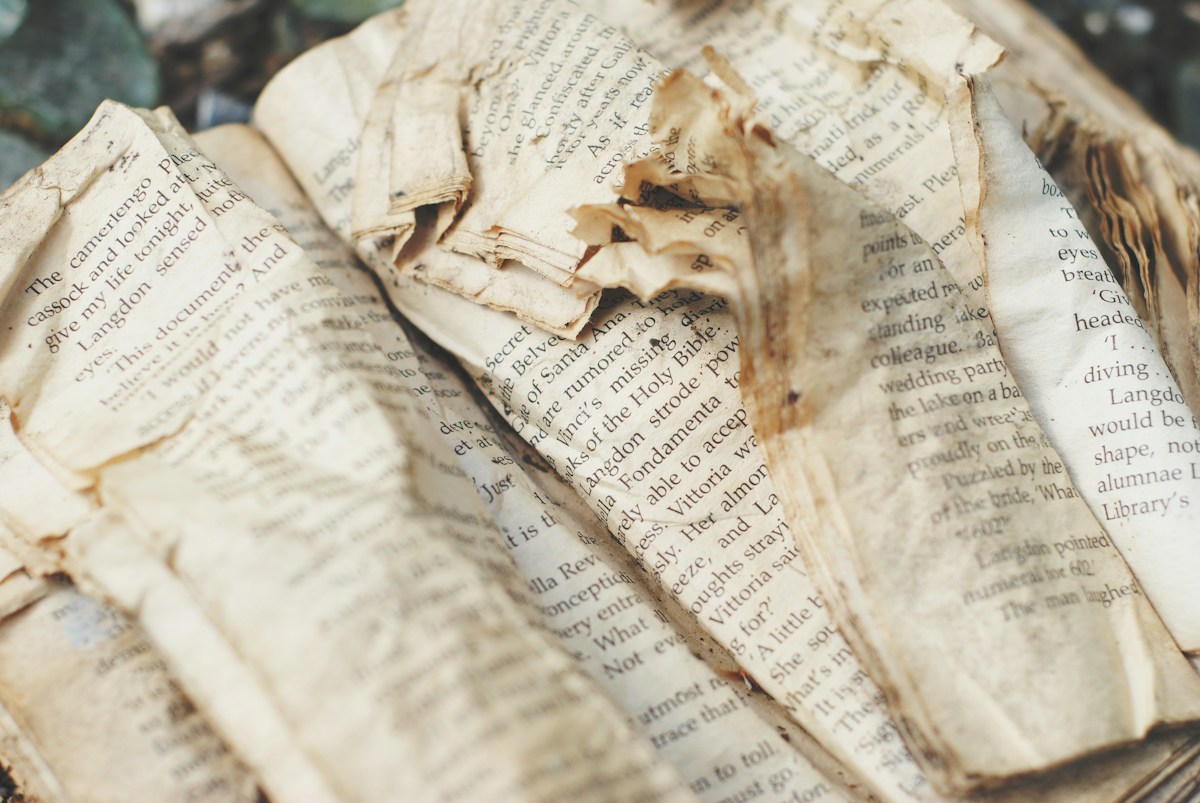
- Books
- Electronics
Some items can be restored, while others may require replacement depending on the extent of the damage.
Avoid stacking wet materials together, as this encourages mold growth.
Step 8: Watch for Signs of Mold
Mold can begin developing within 24 to 48 hours after water exposure if moisture remains.
Early warning signs include:
- Musty odors
- Dark spots on walls or ceilings
- Peeling paint
- Warped flooring
- Increased indoor humidity
If you notice these signs, professional mold inspection and remediation may be necessary to prevent the problem from spreading.
Step 9: Avoid DIY Repairs Too Soon
While it's natural to want to begin repairs immediately, avoid replacing drywall, flooring, or insulation before the property has been completely dried and inspected.
Covering damp materials can trap moisture inside walls and floors, creating ideal conditions for hidden mold growth.
Professional restoration experts use moisture meters and thermal imaging equipment to confirm that building materials are completely dry before reconstruction begins.
Step 10: Contact a Professional Water Damage Restoration Company
Professional restoration companies have specialized equipment and experience to handle water damage efficiently.
Their services often include:
- Water extraction
- Structural drying
- Moisture detection
- Dehumidification
- Mold prevention
- Sanitization
- Damage assessment
- Restoration and reconstruction
Early professional intervention helps reduce long-term damage while restoring your property safely.
Preventing Future Water Damage
Although not every water emergency can be avoided, homeowners can reduce future risks by:
- Inspecting plumbing regularly
- Replacing aging water supply hoses
- Cleaning gutters and downspouts
- Maintaining the roof
- Checking appliance connections
- Monitoring indoor humidity
- Installing leak detection devices
- Scheduling routine home inspections
Preventative maintenance is often far less expensive than repairing extensive water damage.
Conclusion
Water damage can escalate quickly, but taking the right steps immediately can significantly reduce its impact. Prioritizing safety, stopping the water source, documenting the damage, beginning the drying process, and contacting restoration professionals are all essential actions that protect your home and belongings.
The faster water damage is addressed, the better the chances of minimizing repair costs and preventing secondary issues like mold growth. Whether the damage is minor or extensive, responding quickly is the key to restoring your home and returning it to a safe, comfortable condition.
Related Posts