Commercial Storm Damage Restoration: What Business Owners Need to Know

Commercial Storm Damage Restoration: What Business Owners Need to Know
Storms don't wait for a good time to hit, and when they do, commercial buildings often take it from every angle at once. The roof, the drainage system, the electrical panel, the inventory sitting a few feet from an exterior wall — all of it can be affected within the span of an hour. What makes commercial storm damage tricky isn't usually the damage you can see right away. It's what's happening behind the walls and above the ceiling tiles that ends up costing the most.
If you run a business in the Kansas City area, you already know severe weather isn't a rare event. It's a recurring cost of doing business here. So it helps to actually understand what commercial storm damage restoration looks like in practice, not just in theory, so you're not scrambling to figure it out for the first time during an actual emergency.
What Storms Actually Do to Commercial Buildings
Storm damage on a commercial property rarely shows up as one clean problem. It's usually several smaller ones happening at the same time.
- Wind and hail can tear into roofing membranes or knock loose sections of shingles, and once that seal is broken, water finds its way in fast
- Heavy rain overwhelms drainage systems that weren't designed for the volume, leading to pooling or backups
- High winds can bring down trees or debris that damage the exterior structure directly, and when the winds get severe enough, tornado damage repair becomes its own separate process with its own urgency
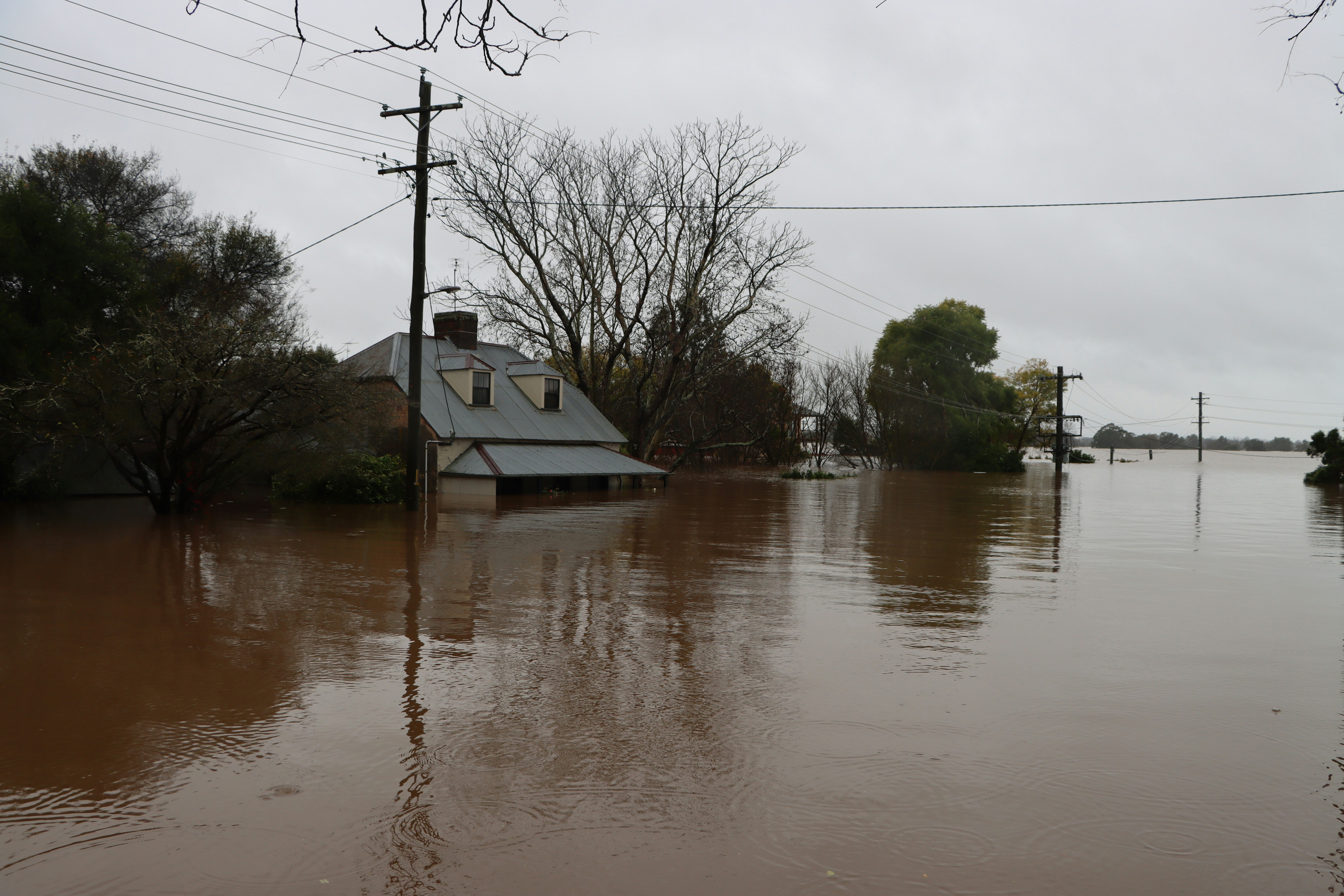
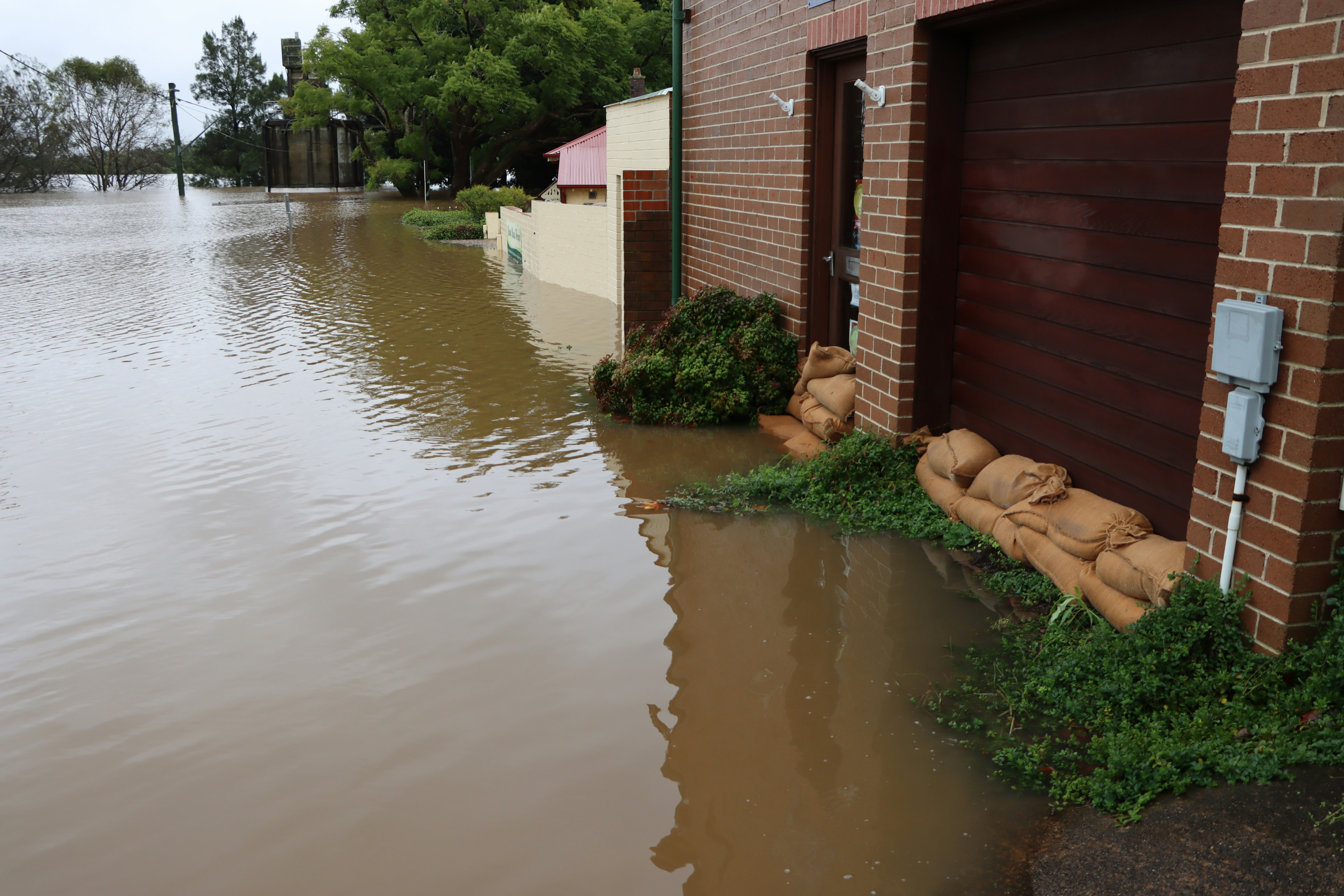
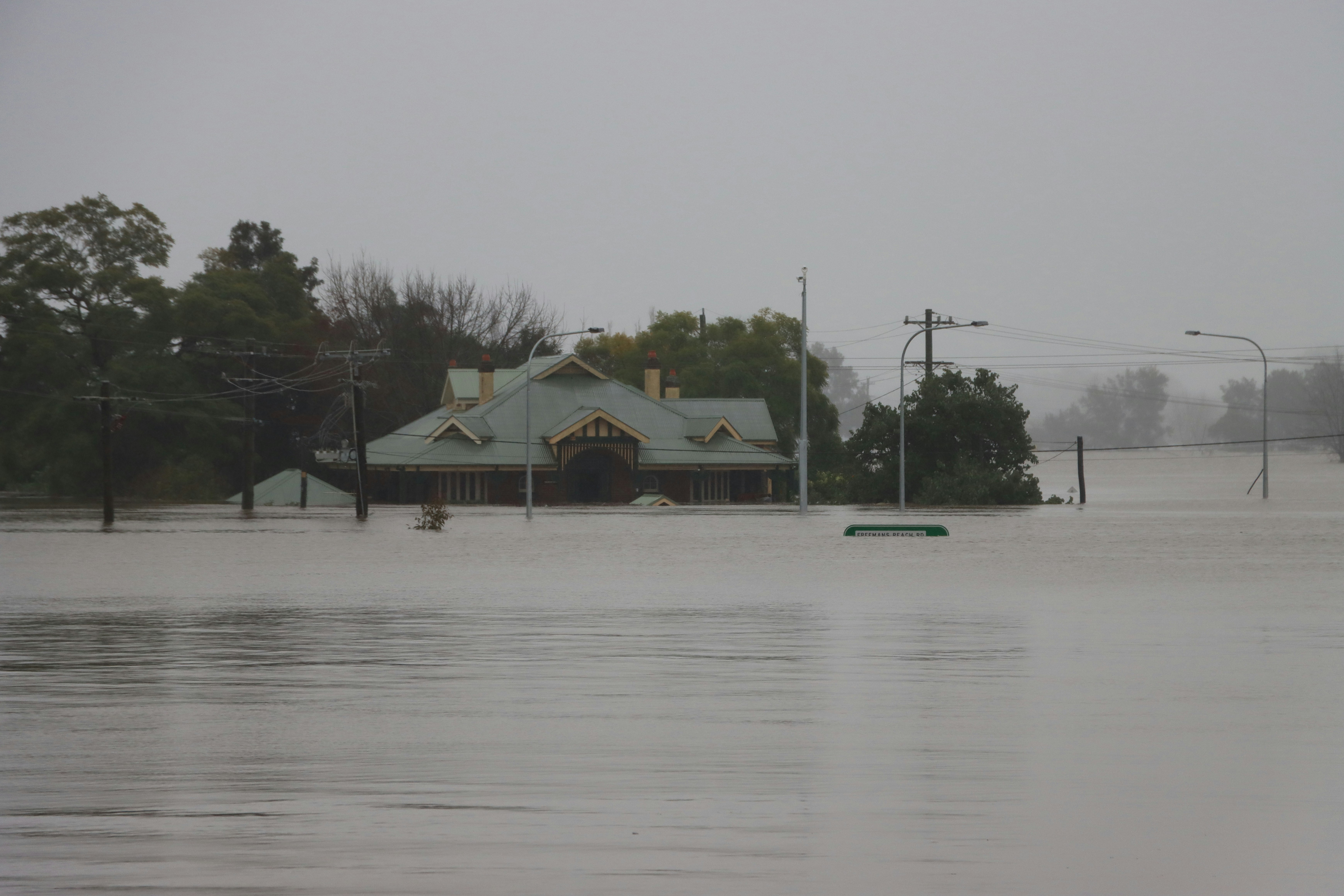
- Flooding hits ground-floor spaces and basements the hardest, especially loading docks and storage areas
- Power surges or outages during a storm can damage electrical systems and rooftop HVAC equipment
For a sense of just how much destruction one severe weather system can cause, it's worth looking at how hurricanes cause damage on a much larger scale — it's a good reminder that it's not always wind speed that does the damage. Sometimes it's just the sheer amount of water.
The Damage You Don't See Right Away Is Usually the Damage That Costs the Most
Here's the thing about storm damage — the stuff you notice immediately is rarely the whole story. A missing shingle or two doesn't sound like much. But water doesn't care how small the opening is. It gets in, and then it travels.
- Water can enter through a small roof breach and move across the deck for days before it ever shows up as a stain on your ceiling
- Insulation soaks up moisture quietly, with nothing visible on the surface for a surprisingly long time
- Electrical systems exposed to moisture don't always fail right away — sometimes the real risk shows up weeks later
- Drainage problems can sit unnoticed until the next big rain turns into an actual flood inside the building
A lot of business owners don't realize something's wrong until they notice a faint musty smell or a slightly discolored ceiling tile. Knowing the actual signs of water damage to watch for is often the difference between catching a problem early and discovering it three weeks later as a much bigger repair.
What Actually Happens During a Proper Storm Damage Assessment
A real assessment goes well beyond someone walking around outside and glancing up at the roof.
- A full inspection of the roof and exterior, checking for compromised membrane, missing materials, and damaged flashing
- An interior walk-through of ceilings, walls, and flooring to catch any early signs of water intrusion
- Moisture detection using equipment that finds water hiding behind surfaces, not just what's visible
- A check of electrical and HVAC systems, especially important after high winds or any flooding
- Full documentation with photos and a written report, since this becomes the backbone of your insurance claim
Part of that assessment involves figuring out what kind of water you're actually dealing with. Restoration teams generally sort it into categories of water damage, since floodwater and clean rainwater require very different handling once they're inside a building.
Why Waiting Even a Few Days Makes Things Worse
There's a real cost to hesitation after a storm, and it's not just cosmetic.
- Leaks that go unaddressed get worse every time it rains again, not better
- Mold can start developing within 24 to 48 hours if moisture sticks around
- Inventory, equipment, and finishes sitting in a wet space are at risk the longer that water stays
- Insurance claims tend to move faster and smoother when the damage gets documented right away, before anyone's had a chance to clean things up or move things around
There's an actual science to water extraction and drying that explains why that first day or two matters so much — and why "we'll get to it next week" ends up being one of the more expensive decisions a business owner can make.
What Tends to Cause the Worst Storm Damage
Some buildings come through a storm relatively unscathed. Others take a beating. The difference usually comes down to a few recurring factors.
- Roofing systems that were already aging or poorly maintained before the storm ever hit
- Drainage systems that were undersized or clogged going into the storm
- Trees or loose debris near the building that become hazards once the wind picks up
- Structural weak points that existed long before the weather did
A lot of what makes storm damage worse isn't the storm itself — it's the same common causes of water damage that show up year-round, just accelerated by the storm hitting a building that was already vulnerable.
Thinking Past the Immediate Repair
Once the initial damage is handled, it's worth stepping back and thinking about the next storm, because there will be one.
- Get your roof and drainage systems inspected regularly, not just after something goes wrong
- Keep gutters, drains, and scuppers clear all year, not just before storm season
- Handle small repairs as soon as they come up instead of letting them sit
- Line up a restoration partner before you need one, so you're not searching for help mid-crisis
If you want a broader look at building real resilience into your property instead of just reacting every time a storm rolls through, it helps to have an actual disaster recovery plan for commercial properties written down before you need it.
Frequently Asked Questions
How soon should I get my property inspected after a storm?
As soon as it's safe to get someone on site — ideally within a day or two. Damage that isn't caught early tends to get more expensive fast, and early documentation makes your insurance claim a lot more straightforward.
Will my commercial insurance actually cover this?
In most cases, yes, storm damage is covered under standard commercial property policies. That said, coverage details vary quite a bit, so it's worth having a professional assessment done to make sure everything gets documented the way your insurer expects.
Do I need a full rebuild, or can this just be repaired?
Depends entirely on how bad it is. A lot of storm damage is isolated enough to repair directly. It's the buildings with compounding issues — old roofs, bad drainage, prior storm damage that was never fully fixed — that tend to need something bigger.
What happens if I just wait a few weeks to deal with it?
Honestly, it almost never gets better on its own. Water keeps moving, mold starts forming within days, and what would've been a straightforward repair often turns into something much larger and more expensive.
The damage looks pretty minor. Do I still need someone to look at it?
Yes. That's actually the situation where hidden damage is most likely to be lurking. Minor visible damage is often just the tip of what's actually going on behind the wall or under the roof deck.
Contact NCRI
If your business just went through a storm, don't wait around to see how bad it turns out to be. NCRI's team is ready to get out to your property, figure out exactly what happened, and start restoration before a manageable situation turns into a much bigger one.
Call NCRI at 833-409-5772 or email info@ncricat.com to get a commercial storm damage assessment scheduled
Related Posts