Smoke Damage Repair: Restoring Your Property After a Fire
Smoke Damage Repair: Restoring Your Property After a Fire
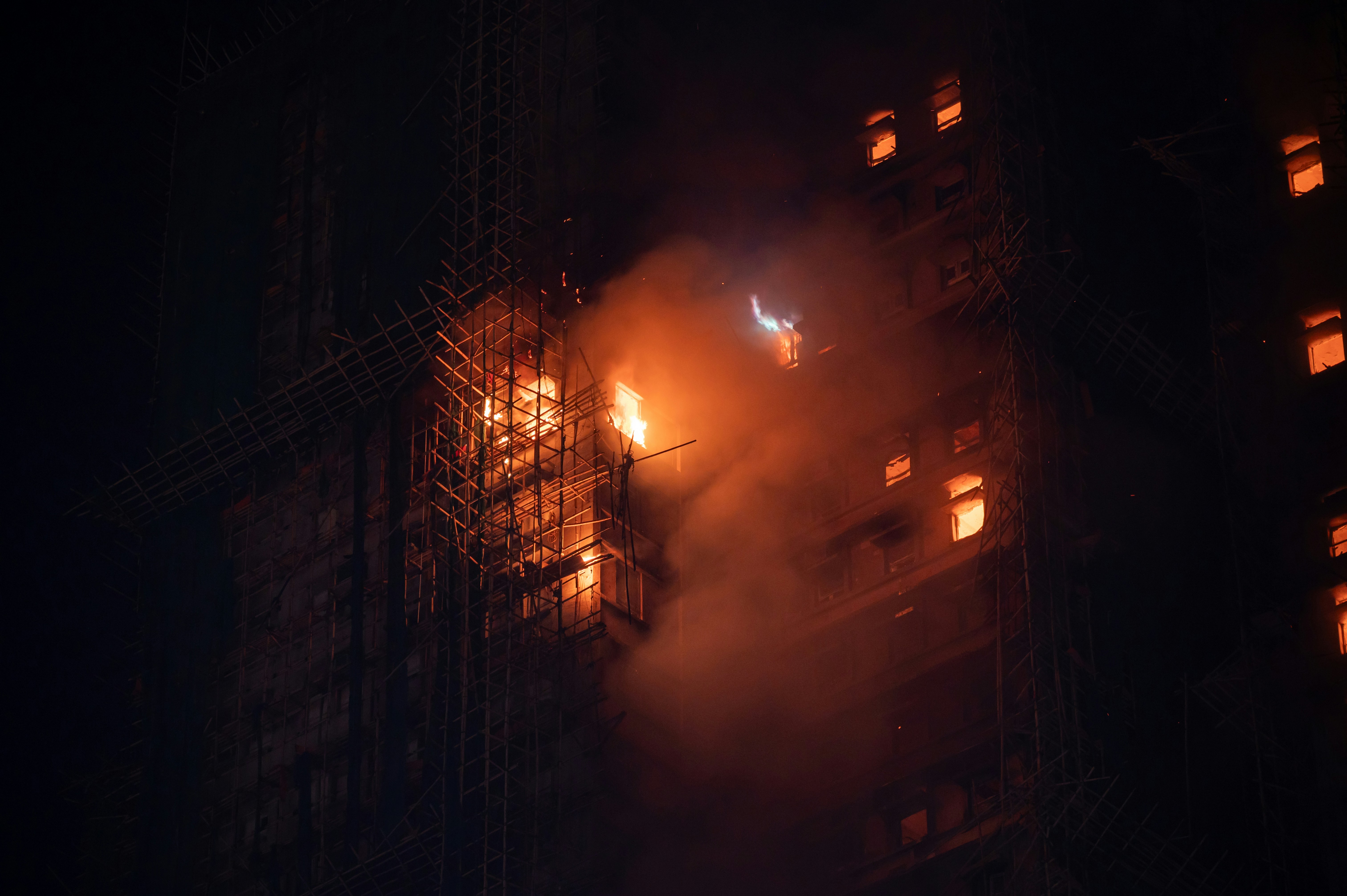
Smoke damage repair is often misunderstood as a cleaning job, when in reality it's a full restoration process that touches structural materials, HVAC systems, and sometimes the framing of a building itself. Understanding what real smoke damage repair involves helps property owners know what to expect once the fire itself is out and the recovery process actually begins.
Why Smoke Damage Repair Is Different From Cleaning
Cleaning addresses what's visible on the surface. Repair goes further, addressing materials that have absorbed smoke residue at a level that surface cleaning can't reach. Drywall, wood framing, and even structural elements can hold onto smoke odor and residue long after a wall looks clean, which is why repair sometimes means removing and replacing materials rather than just wiping them down.
Understanding What You're Actually Repairing
Not all fire residue behaves the same way, and that affects the repair approach. Knowing the difference between smoke damage and soot damage matters here, since soot tends to be concentrated near the fire's source while smoke residue spreads much further into materials throughout the property.
Why Repair Sometimes Means Replacement
Some materials simply can't be restored once smoke has penetrated them deeply enough. Porous materials like drywall, insulation, and certain types of flooring often need to be removed and replaced rather than treated, especially in areas closest to the fire's origin. A proper fire damage assessment determines which materials can be saved and which need full replacement before repair work even starts.
The Health Side of Smoke Damage Repair
Repair isn't just about appearance and odor. Lingering smoke residue can genuinely affect indoor air quality long after a fire, and understanding how smoke damage affects your home and health explains why repair crews take air quality just as seriously as structural repair itself.
Water Damage Often Complicates Smoke Damage Repair
Firefighting efforts almost always introduce water into the equation, and that water needs to be addressed alongside the smoke damage itself. Repair crews rely on the same water extraction and drying principles used in flood restoration, since saturated materials from firefighting need proper drying before any rebuilding can begin.
Commercial Smoke Damage Repair Has Its Own Challenges
Businesses face a different scale of repair entirely, often involving HVAC systems, larger square footage, and specialized equipment. The hidden risks of fire damage in commercial buildings often extend well beyond the visibly burned area, which is why commercial smoke damage repair typically requires a more coordinated, multi-stage approach than a residential job.
What Determines Repair Cost
Repair costs vary significantly depending on how much material needs replacement versus restoration. Understanding what businesses should actually expect to pay for fire-related repair work helps set realistic budget expectations before the project even starts.
Frequently Asked Questions
How do I know if smoke damage needs repair or just cleaning?
If odor or residue persists after cleaning, or if materials have visibly absorbed smoke over time, repair or replacement is usually necessary rather than continued cleaning attempts.
Does smoke damage repair include odor removal?
Yes, odor removal is typically part of the repair process, often using specialized equipment beyond standard cleaning products.
How long does smoke damage repair usually take?
Smaller, isolated repairs may take a few days, while larger projects involving material replacement can take one to two weeks or more.
Will insurance cover smoke damage repair?
Most homeowner and commercial property policies cover smoke damage repair following a fire, though coverage specifics vary by policy.
Contact NCRI
If your property needs smoke damage repair after a fire, NCRI handles everything from assessment through full restoration across the Kansas City area.
Call NCRI at 833-409-5778 or email info@ncricat.com to schedule a smoke damage repair assessment today.
Related Posts