Smoke Damage vs. Soot Damage: What’s the Difference?
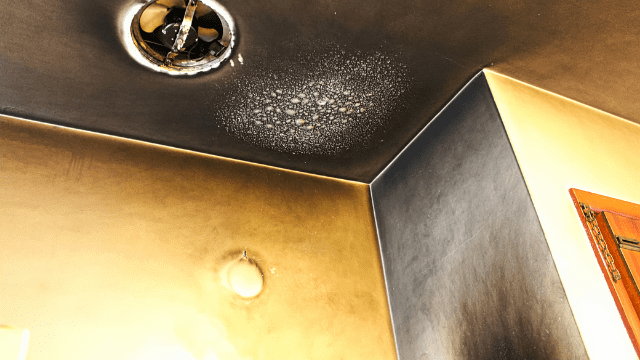
When a fire occurs, the visible flames are only part of the problem. Even small fires can leave behind smoke and soot damage that continues to harm your property long after the fire is out. Understanding the difference between the two is critical for proper restoration.
What Is Smoke Damage?
Smoke damage refers to the gases and odors produced during a fire. Smoke penetrates deep into walls, insulation, HVAC systems, furniture, and fabrics. Even if you don’t see visible damage, smoke particles can linger and cause:
- Strong, persistent odors
- Discoloration on walls and ceilings
- Corrosion of metal surfaces
- Poor indoor air quality
Smoke damage often spreads far beyond the area touched by flames, making professional cleanup essential.
What Is Soot Damage?
Soot is the black, powdery residue left behind when materials burn incompletely. It settles on surfaces like walls, floors, cabinets, and personal belongings. Soot damage can:
- Permanently stain surfaces if not removed correctly
- Scratch finishes when wiped improperly
- Contain toxic chemicals that pose health risks
Different fires produce different soot types, which require specialized cleaning methods.
Why Professional Restoration Matters
DIY cleaning attempts often spread soot further or set stains permanently. Professional restoration teams use:
- HEPA filtration systems
- Specialized chemical sponges
- Odor neutralization treatments
- Safe, surface-specific cleaning techniques
At NCRI, trained technicians identify the type of smoke and soot present and apply the correct restoration process to protect your property.
When to Call for Help
If you notice lingering odors, dark residue, or discoloration after a fire, immediate action can prevent permanent damage. The faster restoration begins, the more can be saved.
Related Posts