Smoke Damage Clean Up: What the Process Actually Involves
Smoke Damage Clean Up: What the Process Actually Involves
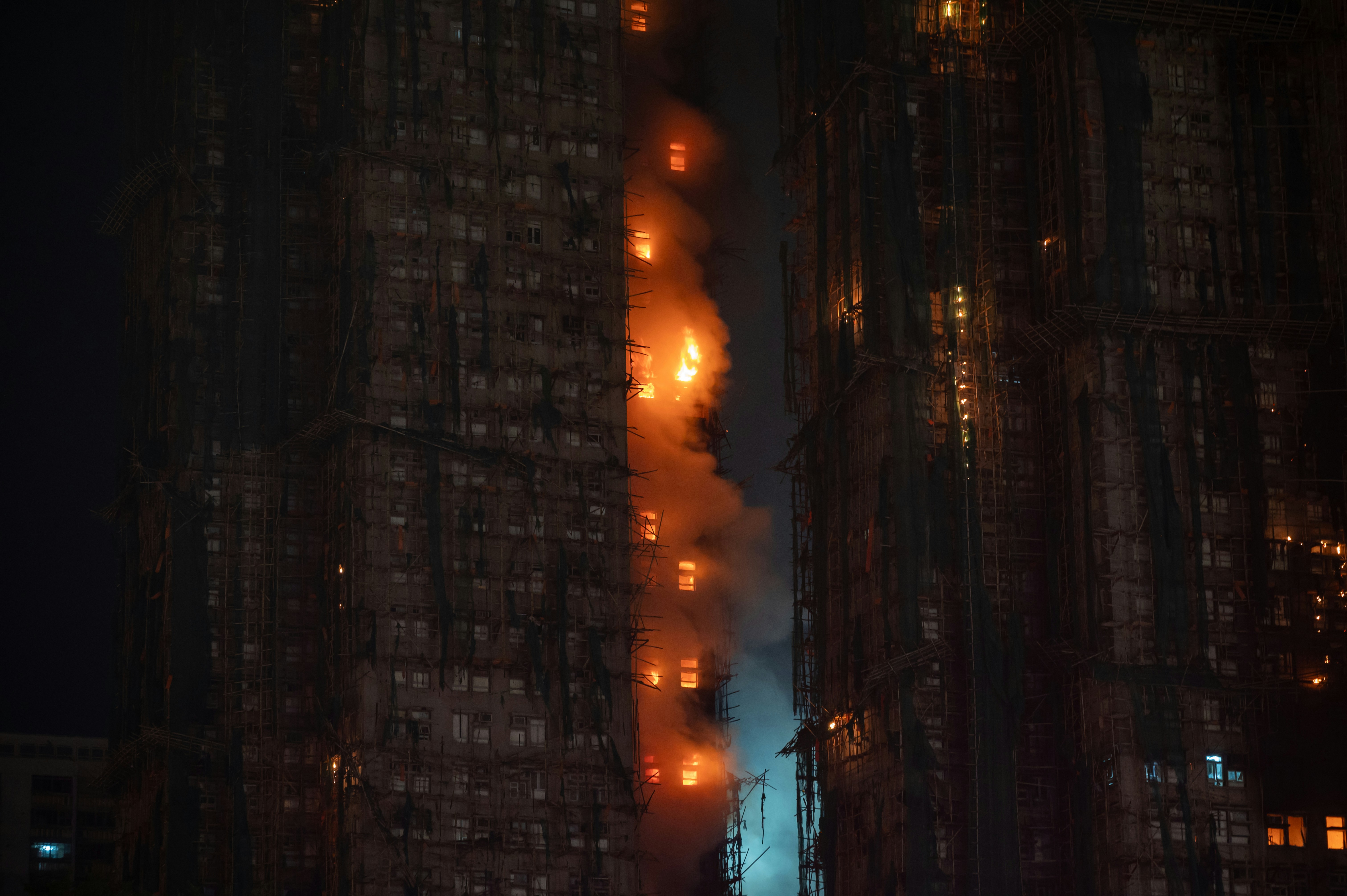
Smoke damage clean up is often the first thing people think of after a fire, since it feels like the most immediate step toward getting a property back to normal. But real clean up goes well beyond wiping down visible soot. Understanding the actual process helps set realistic expectations for how long it takes and what it takes to do it properly.
Why Basic Cleaning Products Aren't Enough
Standard household cleaners can actually make smoke residue worse by smearing it deeper into surfaces rather than lifting it out. Professional clean up uses specialized cleaning agents and techniques designed specifically for smoke residue, which behaves very differently depending on what actually burned and how hot the fire got.
Soot vs. Smoke: Why the Clean Up Approach Differs
Not all fire residue responds to the same cleaning method. Understanding the difference between smoke damage and soot damage matters here, since soot often requires dry cleaning methods first, while broader smoke residue spread throughout a property may need a different combination of techniques entirely.
What a Thorough Clean Up Process Actually Covers
A proper smoke damage clean up goes room by room, not just through the area closest to the fire. It typically includes surface cleaning of walls, ceilings, and hard surfaces, HVAC system cleaning to prevent recirculating smoke particles, content cleaning for furniture and belongings that can be salvaged, and air filtration to address lingering particles that surface cleaning alone won't catch.
Why HVAC Cleaning Gets Missed So Often
A lot of DIY clean up attempts focus entirely on visible surfaces and skip the HVAC system, even though smoke particles circulate through ductwork and settle throughout the property every time the system runs. Skipping this step is one of the most common reasons smoke odor keeps returning even after a thorough surface clean up.
Clean Up Needs to Happen Alongside Assessment
Jumping straight into cleaning before understanding the full scope of the damage often means missing areas that need attention. A proper fire damage assessment maps out exactly where smoke has traveled before clean up crews even start, which prevents wasted effort and missed spots.
Why Air Quality Matters During Clean Up
Clean up isn't just about visible surfaces. Lingering smoke particles genuinely affect indoor air quality, and understanding how smoke damage affects your home and health explains why professional clean up includes air filtration equipment, not just surface wiping.
Commercial Smoke Damage Clean Up Involves More Moving Parts
Larger commercial spaces mean smoke has more surface area and distance to travel, and the hidden risks of fire damage in commercial buildings often mean clean up needs to happen across a much wider footprint than the room where the fire actually started.
Following a Clear Process Start to Finish
A structured approach makes clean up more effective and helps avoid missed steps. Many restoration companies follow something close to a complete fire damage restoration checklist, which keeps clean up organized rather than reactive.
Frequently Asked Questions
Can I clean up smoke damage myself?
For very minor, isolated soot on hard surfaces, some homeowners handle basic cleaning themselves. Anything beyond that typically needs professional equipment to avoid spreading residue further.
How long does smoke damage clean up usually take?
Smaller residential clean up projects often take a few days, while larger or commercial spaces can take one to two weeks depending on how far smoke has spread.
Does clean up remove smoke odor completely?
A thorough clean up process, including HVAC cleaning and air filtration, typically removes odor completely, though the timeline depends on how deeply residue has settled into materials.
Is smoke damage clean up covered by insurance?
Most homeowner and commercial policies cover professional smoke damage clean up following a fire, though coverage details vary by policy.
Contact NCRI
If your property needs smoke damage clean up after a fire, NCRI provides thorough, professional cleaning across the Kansas City area, addressing surfaces, HVAC systems, and air quality.
Call NCRI at 833-409-5778 or email info@ncricat.com to schedule a smoke damage clean up today.
Related Posts