Fire Damage Assessment Near Me: What to Expect and Why It Matters
Fire Damage Assessment Near Me: What to Expect and Why It Matters
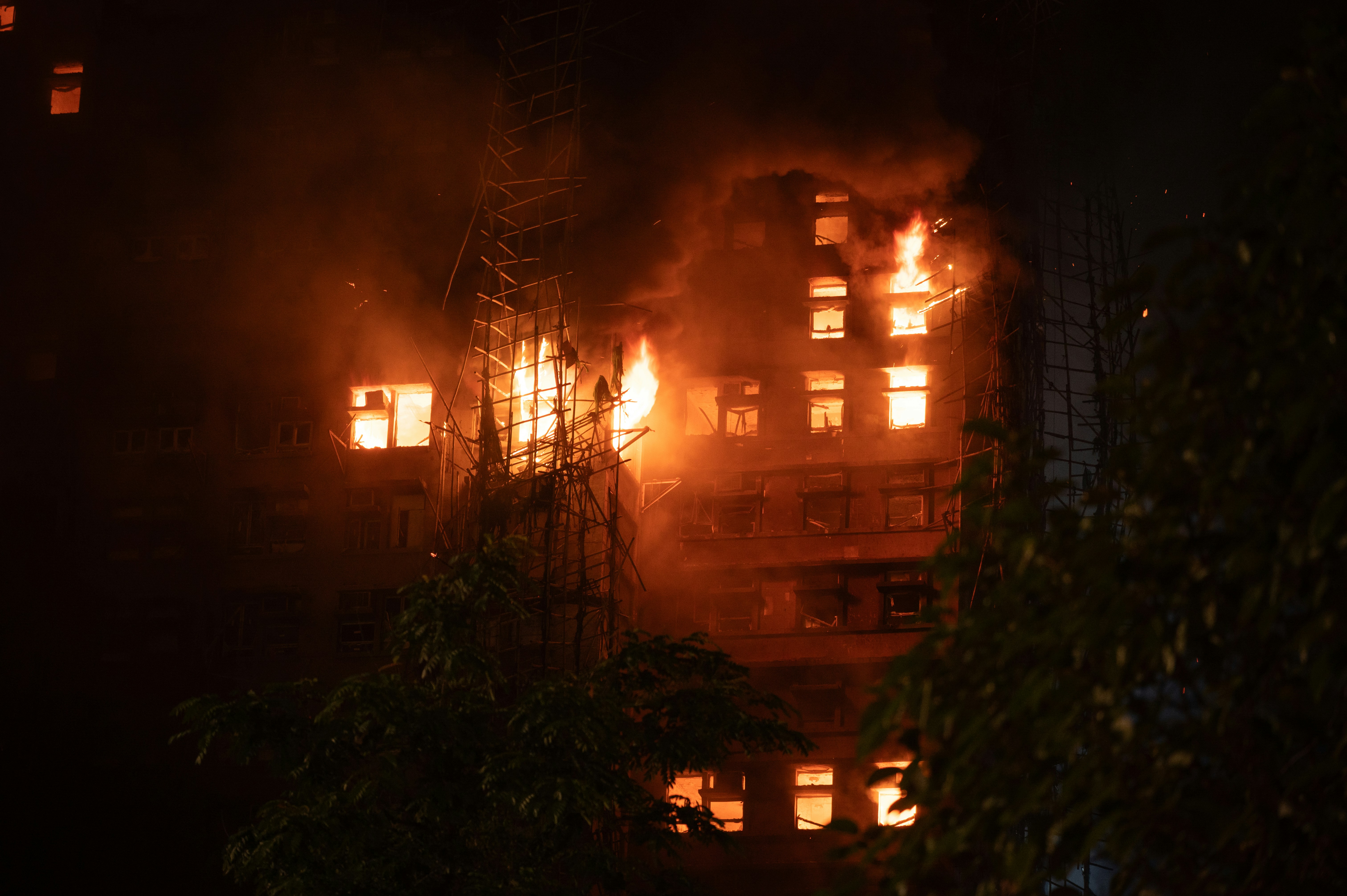
After a fire, even a small one, the damage is rarely limited to what you can see. Smoke can travel through HVAC systems, water from firefighting efforts can soak into walls and flooring, and structural elements can weaken in ways that aren't obvious right away. That's why a professional fire damage assessment is one of the most important first steps after any fire — it determines the true scope of what needs to be repaired before restoration even begins.
If you've searched "fire damage assessment near me," you're likely standing in a property that's just been through something stressful, trying to figure out what happens next. Here's what a proper assessment involves and why it matters so much.
Why a Professional Fire Damage Assessment Matters
A quick visual check after a fire often misses damage that isn't immediately visible.
- Smoke travels beyond the fire's origin, settling into rooms far from where the fire actually started
- Water damage from firefighting is extremely common and can be just as destructive as the fire itself
- Structural integrity may be compromised even in areas that look untouched
- Odor and air quality issues can persist long after visible soot is cleaned
- Insurance claims require documentation, and a thorough assessment provides the evidence needed for a smooth claims process
Without a full assessment, it's easy to underestimate how much of the property was actually affected.
What Happens During a Fire Damage Assessment
A proper assessment is a structured process, not just a walkthrough.
- Initial safety evaluation to determine whether it's safe to enter and inspect the property
- Room-by-room inspection, checking for smoke, soot, and heat damage beyond the immediate fire area
- Water damage check, since firefighting efforts often leave significant water behind
- HVAC system inspection, since smoke particles frequently circulate through ductwork
- Structural evaluation, confirming whether framing, flooring, or roofing sustained heat or water damage
- Full documentation, including photos and a written report to support insurance claims
This process typically happens as quickly as possible after a fire, since delays can allow smoke odor and moisture to settle further into materials.
Smoke Damage vs. Soot Damage: Why the Distinction Matters
Not all fire damage looks the same, and the type of residue affects how restoration is approached.
- Soot is the visible, often greasy black residue left behind by fire
- Smoke damage can be less visible but spreads further, affecting air quality and materials throughout the property
- Different cleaning methods are required depending on which type of residue is present
- Assessment determines the mix of damage types present, which shapes the entire restoration plan
Understanding the difference between smoke damage vs. soot damage helps explain why a proper assessment looks at more than just the burned area — it accounts for how far smoke particles actually traveled.
Why Water Damage Is Often Part of Fire Assessment
Firefighting efforts, while necessary, frequently leave behind significant water damage that needs to be addressed alongside the fire itself.
- Standing water from hoses or sprinkler systems needs to be extracted quickly
- Saturated drywall and insulation may need to be removed rather than dried out
- Mold risk increases if water isn't addressed within the first 24 to 48 hours
- Structural drying often runs in parallel with fire damage cleanup
Understanding the science of water extraction explains why this part of fire restoration is treated with the same urgency as the fire damage itself — leaving water unaddressed can create a second problem on top of the first.
Residential vs. Commercial Fire Damage Assessment
The assessment process looks a little different depending on the type of property involved.
- Residential properties typically focus on living spaces, personal belongings, and structural safety for the family
- Commercial properties require assessment of larger spaces, inventory, equipment, and potential business interruption
- Commercial assessments often move faster due to the financial impact of extended downtime
- Multi-unit or larger commercial fires may require a coordinated, multi-team assessment approach
For businesses dealing with fire damage, commercial fire damage restoration covers what to expect specifically when a commercial property is involved, from assessment through full recovery.
What Happens After the Assessment Is Complete
Once the assessment is finished, it becomes the foundation for the entire restoration plan.
- A detailed restoration plan is built based on what the assessment uncovered
- Insurance claims move forward using the assessment's documentation
- Priority areas are identified, especially anything posing safety risks
- Timeline expectations are set based on the true scope of damage, not just what's visible
For a full breakdown of what comes immediately after the assessment, fire damage restoration near me covers the steps property owners can expect the moment the smoke clears.
Why Fast Assessment Matters
Just like water damage, fire damage tends to get worse the longer it's left unaddressed.
- Soot becomes harder to remove the longer it sits on surfaces, especially porous materials
- Odor sets deeper into walls, carpet, and furniture over time
- Water left behind from firefighting can lead to mold within 24 to 48 hours
- Structural weaknesses may worsen if not identified and stabilized quickly
This is why emergency response speed matters just as much for fire damage as it does for water or storm damage — the assessment needs to happen fast so restoration can begin before secondary damage sets in.
Frequently Asked Questions
How soon after a fire should I get a damage assessment?
As soon as it's safe to enter the property, ideally within the first day. Early assessment prevents smoke, soot, and water damage from worsening.
Does a fire damage assessment cost anything?
Many restoration companies offer assessments as part of the initial response, especially when moving forward with restoration. It's worth asking directly when you call.
Will insurance require a professional assessment before approving a claim?
Most insurance companies expect documented evidence of damage, and a professional assessment provides exactly that kind of detailed, credible documentation.
Can I assess fire damage myself before calling a professional?
You can note visible damage, but hidden issues like smoke infiltration in HVAC systems or structural weakening often require professional equipment and expertise to identify.
What's the difference between a fire damage assessment and fire damage restoration?
Assessment identifies and documents the full scope of damage. Restoration is the actual repair and cleanup process that follows, based on what the assessment uncovers.
Contact NCRI
If your property has experienced a fire, don't wait to understand the true extent of the damage. NCRI provides thorough fire damage assessments across the Kansas City area, giving you a clear picture of what's needed before restoration begins.
Call NCRI at 833-409-5772 or email info@ncricat.com to schedule a fire damage assessment today.
Related Posts