Emergency Storm Damage Restoration: What to Do in the First 24 Hours
Emergency Storm Damage Restoration: What to Do in the First 24 Hours
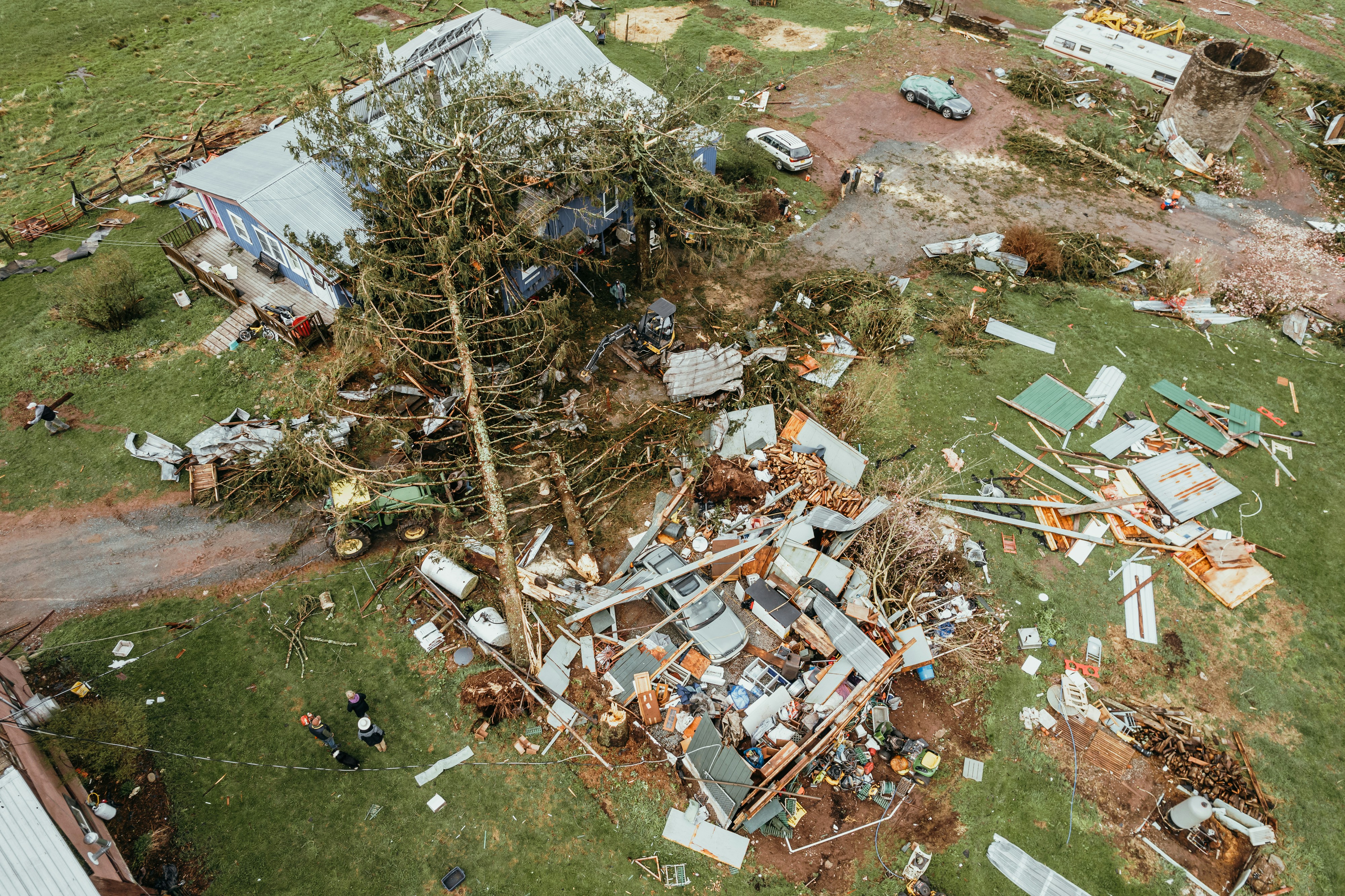
When a storm hits and your property takes damage, the first day matters more than most people realize. Emergency storm damage restoration isn't just about cleanup — it's about stopping damage from spreading while the situation is still fresh. Knowing what to do (and what to avoid) in those first critical hours can be the difference between a manageable repair and a much larger, more expensive problem.
Whether it's a residential roof leak or major structural damage to a commercial property, the same principle applies: fast, professional action limits how much damage a storm actually causes.
Why the First 24 Hours Matter So Much
Storm damage doesn't stay the same size it was the moment the storm passed. It grows.
- Water spreads quickly, soaking into drywall, insulation, and flooring within hours of exposure
- Mold can begin developing within 24 to 48 hours in areas with trapped moisture
- Structural materials weaken the longer they stay wet, increasing repair costs over time
- Electrical and safety hazards can emerge if water reaches wiring or compromised structures
- Insurance documentation is strongest when damage is recorded immediately, before cleanup or secondary damage occurs
This is why emergency response isn't just a convenience — it's a critical part of limiting the total scope of damage.
What Emergency Storm Damage Restoration Actually Involves
A proper emergency response covers more than just repairs. It's a structured process designed to stabilize the property first, then move into full restoration.
- Immediate site assessment to identify safety hazards and the extent of visible damage
- Water extraction, if flooding or heavy rain has entered the property
- Tarping and board-up services to prevent further water or weather intrusion through damaged roofs, windows, or walls
- Debris removal to clear access points and reduce additional risk
- Moisture detection, using equipment to find water that isn't visible yet
- Documentation, including photos and written reports to support insurance claims
Every one of these steps happens fast, often within hours of the initial call, which is why emergency response speed and coordination matter so much when choosing a restoration provider.
Common Types of Storm Damage That Require Emergency Response
Storms don't damage every property the same way. Different types of damage require different emergency priorities.
- Roof damage from wind, hail, or falling debris, often leading to active leaks
- Water intrusion through compromised roofing, windows, or foundations
- Structural damage from fallen trees or severe wind impact
- Flooding, particularly in basements or low-lying commercial spaces
- Power outages, which can affect HVAC systems, sump pumps, and security systems
Many of these issues overlap. A damaged roof, for example, often leads directly into water intrusion — which is exactly why so much of hidden property damage after storms isn't discovered until days or weeks later.
Why Commercial Properties Face Additional Urgency
Emergency storm damage restoration looks a little different for businesses, where downtime and inventory loss add extra pressure to respond fast.
- Business interruption costs increase for every day operations are paused
- Inventory and equipment are at risk the longer water or moisture is present
- Employee and customer safety must be addressed immediately after any structural damage
- Multiple systems — HVAC, electrical, plumbing — may need simultaneous attention
Commercial water intrusion in particular requires fast action, since commercial water damage can spread across large open floor plans quickly if it isn't addressed within the first day.
The Role of Water Extraction and Drying in Emergency Response
Water extraction is often the single most time-sensitive part of emergency storm restoration.
- Standing water must be removed before it soaks further into flooring, drywall, and framing
- Industrial drying equipment, including air movers and dehumidifiers, prevents secondary moisture damage
- Moisture readings confirm when materials have truly dried out, not just when they appear dry on the surface
- Preventing mold growth depends heavily on how quickly and thoroughly drying is completed
Understanding the science of water extraction helps explain why this step can't be rushed or skipped, even when a property owner is eager to move straight into repairs.
When Storm Damage Leads to Other Restoration Needs
Emergency storm response often uncovers issues beyond the initial visible damage.
- Mold growth, if moisture wasn't caught and dried quickly enough — and property owners often want to know how long does mold remediation take once this becomes part of the project
- Burst pipes, especially if freezing temperatures followed the storm, creating a secondary burst pipe emergency
- Fire risk, in rare cases involving electrical damage, which can require a separate fire damage restoration near me response
- Large-scale rebuilds, when damage is severe enough to require a full large-scale restoration effort
This is why emergency restoration teams are trained to look beyond the obvious damage and assess the full scope of what a storm may have affected.
How to Prepare Before the Next Storm Hits
While emergency response handles damage after the fact, some preparation can reduce how severe that damage ends up being.
- Keep gutters and drains clear year-round to reduce water pooling risk
- Trim trees and branches near the roofline or building structure
- Have a restoration contact ready before a storm hits, rather than searching during an emergency
- Review your property's storm readiness seasonally, especially heading into peak storm months
For a more detailed breakdown, this guide on preparing for summer storms covers practical steps commercial property owners can take before severe weather season arrives. Businesses that experience storms repeatedly often benefit from having a restoration partner for businesses on retainer, so response time is never a question when the next storm comes through.
Frequently Asked Questions
How fast should emergency storm damage restoration begin?
Ideally within hours of the storm passing, especially if water intrusion is involved. The longer materials stay wet, the more damage — and cost — accumulates.
What should I do before restoration professionals arrive?
If it's safe, take photos of visible damage, avoid walking through standing water near electrical sources, and move valuable items away from affected areas if possible.
Does insurance cover emergency storm damage restoration?
Most policies cover storm-related damage, though coverage details vary. Fast, well-documented emergency response strengthens your claim significantly.
Can emergency restoration prevent mold growth?
Yes, when water extraction and drying happen quickly enough. Mold prevention is one of the main reasons speed matters so much in the first 24 to 48 hours.
What's the difference between emergency response and full restoration?
Emergency response focuses on stabilizing the property — stopping water intrusion, securing the structure, and preventing further damage. Full restoration follows afterward and addresses repairs, drying, and rebuilding.
Contact NCRI
If your property has taken storm damage, don't wait to see how bad it gets. NCRI's emergency response team is ready to stabilize, assess, and begin restoration as soon as it's safe to do so — protecting your home or business from further damage.
Call NCRI at 833-409-5772 or email info@ncricat.com for emergency storm damage restoration support today.
Related Posts