Sewage Backup Cleanup: What to Do Before Help Arrives
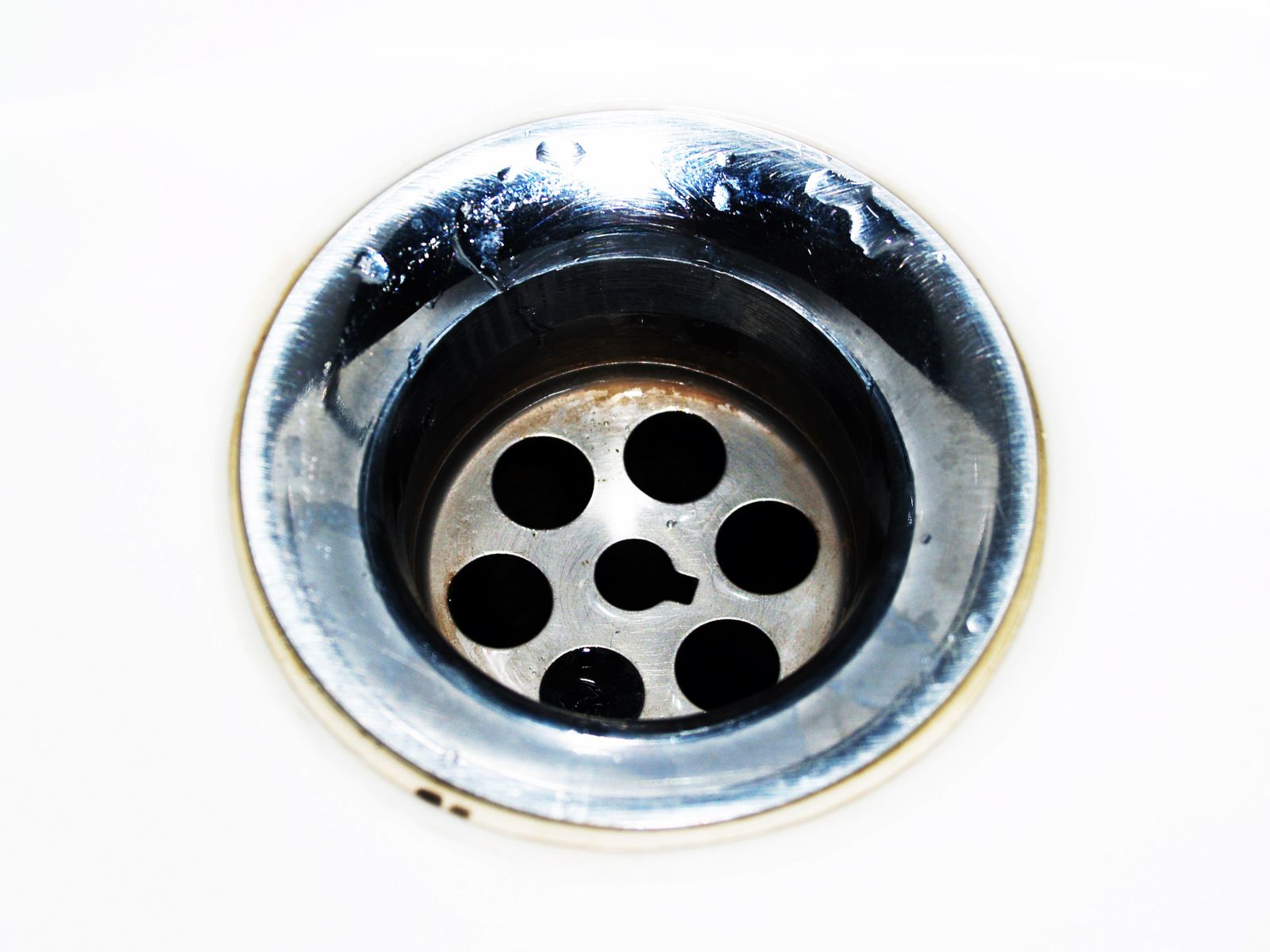
A sewage backup can turn a basement, restroom, or ground-floor business into a contaminated work area. The immediate priorities are keeping people away, stopping additional wastewater from entering, and arranging both plumbing repair and professional cleanup. Removing visible water alone does not make the space ready to use.
For homeowners and property managers in Wichita and the Kansas City area, a clear response plan helps separate urgent safety decisions from the cleanup and rebuilding that follow.
What should you do first after a sewage backup?
- Keep people and pets out. Close off the affected area from a safe location. Avoid walking through wastewater or tracking it into clean rooms.
- Stop using connected plumbing. Do not flush toilets, run laundry, or drain sinks while wastewater is backing up. Tell other occupants or tenants which fixtures are affected.
- Stay clear of electrical hazards. Do not enter standing water to reach a breaker, appliance, or cord. Arrange evaluation by qualified personnel when water may have reached electrical systems.
- Call for the source repair and the cleanup. A plumber or sewer utility investigates the blockage or system problem; a restoration team evaluates the contaminated building materials.
- Document from a safe distance. Record when the backup began, where water appeared, and which rooms are affected. Keep service reports and receipts together.
If conditions include a strong gas odor, breathing difficulty, or an immediate danger, leave the building and contact emergency services from a safe location. Do not investigate sewer spaces or enter confined areas.
Who should you call: a plumber or a restoration company?
Often, both are needed. Clearing a drain addresses the reason wastewater entered. It does not remove contamination from flooring, wall cavities, contents, or other surfaces. Conversely, cleanup cannot succeed if the backup continues.
When calling, explain whether multiple drains are involved, whether wastewater is still rising, and whether neighboring properties have similar problems. A sewer utility can advise on suspected public-system issues; the plumber can evaluate the building's drainage. Ask each provider to document what they found so the recovery team has a shared starting point.
What professional sewage cleanup involves
The scope depends on the extent of contamination, the materials affected, and access to hidden spaces. A useful written scope identifies the affected rooms, containment needs, removal work, cleaning steps, drying plan, and repairs that must happen before reoccupancy.
- Assessment and isolation: identify the affected footprint and protect adjacent clean areas.
- Controlled removal: extract wastewater and remove contaminated debris with appropriate precautions.
- Material decisions: determine which surfaces can be cleaned and which absorbent materials require disposal.
- Cleaning and treatment: remove contamination and apply suitable products according to their labels.
- Drying and verification: check the remaining structure before replacement finishes conceal it.
The Minnesota Department of Health advises removing porous materials contacted by sewage. A carpet that looks clean after extraction may still be unsuitable to retain. Ask for a material-by-material explanation rather than assuming everything can be saved.
What should you avoid?
Do not use household fans to blow across a contaminated area, send wastewater into another room, or begin pulling apart walls without a plan. Avoid mixing cleaning chemicals. Masking an odor or spraying disinfectant over debris is not a substitute for removing the contamination.
Keep potentially contaminated belongings separate from unaffected possessions. Before discarding items, ask how they should be photographed and inventoried; immediate safety and necessary mitigation should still guide the response.
Questions to ask before the job is closed
- Has the source of the backup been corrected, and who documented that repair?
- Which areas were inspected beyond the visible water line?
- What was removed, what was cleaned, and what still needs replacement?
- What moisture records support the decision to rebuild?
- Are any plumbing, electrical, or occupancy decisions still outstanding?
Sewage backup cleanup FAQs
Is sewage cleanup the same as ordinary water extraction?
No. Wastewater introduces contamination that changes the protective measures, cleaning scope, and decisions about absorbent materials. Tell the restoration provider that sewage is suspected before work begins.
Can you stay in the building during cleanup?
That depends on whether affected areas can be isolated and essential facilities remain usable. Ask the restoration lead and property manager to establish an access plan. Do not assume a usable upstairs room means the entire building is safe.
How can you reduce the chance of another backup?
Have the cause evaluated by a qualified plumber. Depending on the findings, follow-up may involve line repairs, maintenance, or an approved backwater protection device. Do not treat drain clearing as proof that every underlying defect is resolved.
Get help with contaminated water damage
NCRI provides water damage restoration and can help assess the recovery needs of an affected property. Call (800) 598-6274 for 24/7 assistance, or contact NCRI to discuss the damage and next steps.
Stock photo: icon0 com / Pexels. Illustrative image.
Related Posts