Recovering Wet Documents, Records, and Electronics After a Disaster
After a flood, sprinkler discharge, roof leak, or firefighting response, attention naturally goes to the building. Yet business records, photographs, books, servers, and electronics may be equally important to recovery. What happens in the first hours can determine whether those items remain recoverable.
Safety comes first. Stay out of areas with standing water, electrical hazards, contamination, or structural damage until qualified professionals provide clearance.
Document conditions before moving items
Photograph affected rooms and contents in place. Record item descriptions, locations, visible damage, and identifying numbers where available. This documentation can support insurance review and help a recovery team establish priorities. Avoid discarding items until the insurer or responsible decision maker approves.
Do not energize wet electronics
Water-damaged computers, drives, control panels, and appliances should remain disconnected. Turning on wet equipment can create shock and fire hazards and may cause additional damage. A qualified electronics specialist should determine whether an item can be safely evaluated, cleaned, dried, or recovered.
NCRI’s water-damage restoration services can address the affected environment while equipment specialists focus on sensitive devices and data.
Stabilize paper records quickly
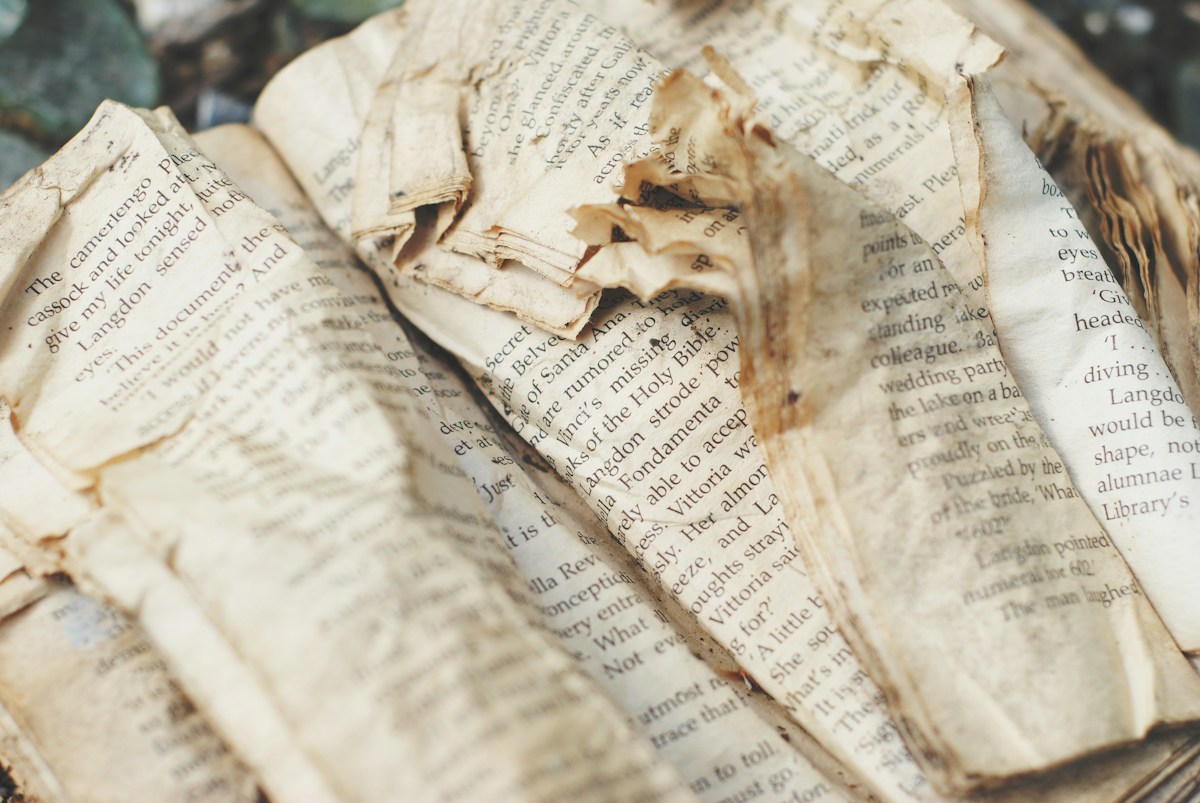
Wet paper is fragile, heavy, and vulnerable to distortion, staining, and microbial growth. Handle it as little as possible. Keep collections organized by their original location, use waterproof labels, and avoid separating pages that are stuck together unless a conservator directs the work.
The National Archives disaster-response guidance recommends prompt planning and prioritization. Its guidance for wet and flood-damaged paper explains that freezing can help stabilize large quantities that cannot be dried within about 48 hours. Freezing is not appropriate for every material, so consult a qualified professional.
Triage by value, urgency, and material
Set priorities before recovery work scales up. Essential legal and operational records, unique photographs, active project files, and irreplaceable originals may take precedence over replaceable copies. Different materials require different methods:
- Paper files may be air-dried in small quantities or frozen for later specialist treatment.
- Photographs and coated papers can stick together and require rapid expert attention.
- Books should be supported to prevent further damage to bindings and pages.
- Magnetic media and drives should be handled by experienced data-recovery professionals.
- Electronic equipment should remain isolated until evaluated for electrical and chemical hazards.
Control the environment
Reducing excess moisture in the building protects both contents and the structure. Professional drying, dehumidification, air movement, and monitoring should follow a documented plan. If materials or finishes remain wet, NCRI’s mold-remediation team can assess potential microbial concerns.
Create a chain of custody
Track every item as it is packed, transported, treated, stored, and returned. Use unique identifiers, photographs, box numbers, and status notes. Sensitive records may also require secure handling and access controls.
Bring in the right specialists
Contents recovery may involve conservators, data-recovery firms, equipment manufacturers, insurers, and restoration contractors. NCRI can coordinate the building recovery and help integrate contents work into the overall plan. Contact NCRI for help after a commercial water or disaster loss.
Related Posts