How Long Does Mold Remediation Take? Factors That Can Speed Up or Delay the Process
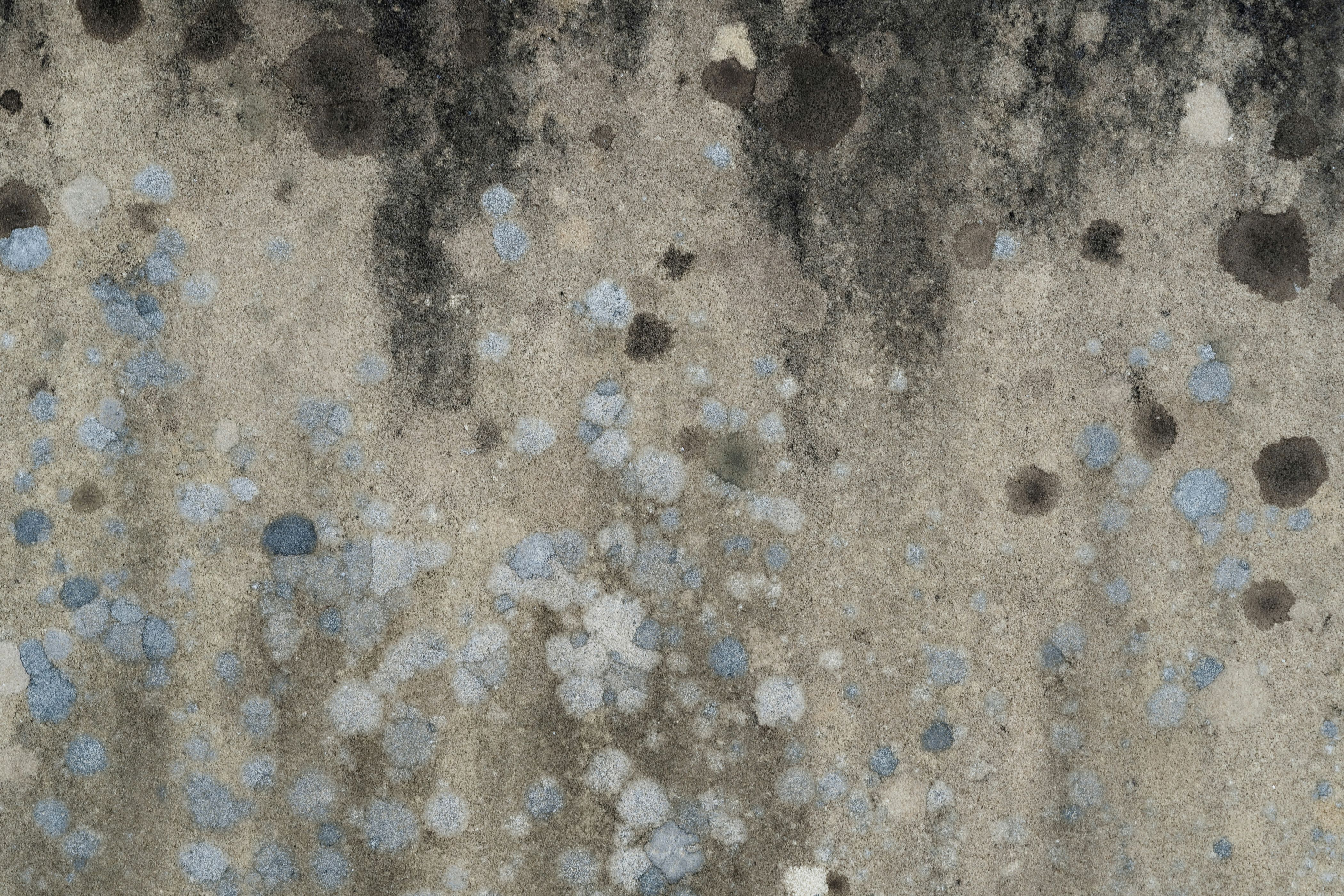
How Long Does Mold Remediation Take? Factors That Can Speed Up or Delay the Process
One of the first questions homeowners ask after discovering mold is, "How long does mold remediation take?" The answer depends on several factors, including the size of the affected area, the severity of the mold growth, the amount of moisture present, and whether structural repairs are needed. While some projects can be completed in a day or two, larger or more complex cases may take a week or longer.
Mold remediation isn't simply about removing visible mold. A professional restoration company identifies the source of moisture, contains the affected area, removes contaminated materials, cleans the space, and helps prevent future mold growth. Rushing this process can leave hidden mold behind, allowing the problem to return.
If mold developed because of flooding, burst pipes, or roof leaks, professional water damage restoration should always be completed alongside remediation to eliminate excess moisture before repairs begin.
What Determines How Long Mold Remediation Takes?
Every property is different, so no two remediation projects follow the exact same timeline. Several factors influence how long the process will take.
Size of the Affected Area
A small patch of mold inside a closet is much easier to remediate than mold that has spread throughout an attic, basement, or multiple rooms. Larger affected areas require additional containment, cleaning, and drying time.
Moisture Levels
Removing mold without addressing moisture is only a temporary fix. Professionals use moisture meters and thermal imaging equipment to locate hidden water that may still be trapped behind walls, under flooring, or inside insulation. Homes with significant moisture problems often require additional drying before remediation can continue.
Type of Materials Affected
Non-porous materials like metal or glass can often be cleaned successfully, while drywall, insulation, carpet, and ceiling tiles may need to be removed and replaced if heavily contaminated.
Extent of Structural Damage
If mold has damaged framing, roof decking, or flooring, repairs may extend the overall project timeline. Properties that require storm damage restoration after severe weather often need structural repairs before remediation is fully completed.
Typical Mold Remediation Timeline
Although every project is unique, most professional mold remediation follows a similar process.
Day 1: Inspection and Assessment
The first step involves a detailed inspection to determine the extent of mold growth and identify the moisture source. Restoration professionals evaluate visible damage while also checking for hidden mold using specialized equipment.
During this stage, technicians create a remediation plan that outlines containment procedures, material removal, and drying requirements.
Day 1–2: Containment and Air Filtration
Once the inspection is complete, the affected area is isolated using containment barriers to prevent mold spores from spreading throughout the property.
Industrial HEPA air scrubbers begin filtering airborne particles while technicians prepare the work area.
Professional mold remediation always includes containment because disturbing mold without proper controls can spread contamination into clean areas of the home.
Day 2–4: Mold Removal and Cleaning
After containment is established, contaminated materials are cleaned, treated, or removed depending on their condition.
This may include:
- Removing damaged drywall
- Cleaning structural wood
- Disinfecting affected surfaces
- HEPA vacuuming
- Applying antimicrobial treatments
The exact timeline depends on how much material has been affected and whether additional moisture is discovered during cleanup.
Understanding the complete mold remediation process helps homeowners know why every step is necessary for a successful restoration.
Day 4–7: Drying and Restoration
Once mold has been removed, the affected area must be thoroughly dried before reconstruction begins.
Dehumidifiers and commercial drying equipment continue operating until moisture levels return to normal.
If drywall, flooring, insulation, or trim were removed during remediation, restoration work begins after drying has been completed.
Can Mold Remediation Be Completed in One Day?
Small mold problems affecting a limited area can sometimes be completed within a single day.
However, larger projects involving multiple rooms, water damage, or structural repairs usually require several days to ensure moisture has been completely eliminated.
Choosing the fastest company isn't always the best decision. Proper remediation takes time because hidden moisture and airborne mold spores must also be addressed—not just the visible mold.
What Can Delay Mold Remediation?
Several issues may increase the overall timeline.
These include:
- Hidden mold behind walls
- Ongoing roof leaks
- Plumbing leaks
- High indoor humidity
- Damaged insulation
- Extensive structural repairs
- Delayed insurance approvals
If moisture continues entering the property, remediation cannot be considered complete until the source has been repaired.
How to Speed Up the Mold Remediation Process
While homeowners shouldn't rush remediation, there are ways to help keep the project on schedule.
- Schedule an inspection as soon as mold is discovered.
- Repair active leaks immediately.
- Avoid disturbing visible mold.
- Keep affected areas isolated.
- Follow technician recommendations.
- Allow drying equipment to operate continuously.
Early action often prevents mold from spreading into additional rooms, reducing both remediation time and overall repair costs.
Why Professional Mold Remediation Is Worth the Time
Some homeowners wonder whether they should simply clean visible mold themselves.
Unfortunately, mold often extends behind drywall, insulation, flooring, and framing where it cannot be seen.
Professional remediation focuses on:
- Moisture detection
- Source identification
- Containment
- Safe mold removal
- Air filtration
- Surface cleaning
- Prevention strategies
Frequently Asked Questions
How long does mold remediation usually take?
Most residential projects are completed within one to five days, although larger properties requiring structural repairs may take longer.
Can I stay in my home during mold remediation?
This depends on the size of the affected area and the extent of contamination. Your restoration professional will recommend whether temporary relocation is necessary.
Will mold come back after remediation?
Not if the moisture source has been corrected. Professional remediation focuses on both mold removal and moisture control.
Does insurance cover mold remediation?
Coverage varies depending on the cause of the mold. Sudden water damage may be covered, while long-term maintenance issues often are not.
Final Thoughts
If you're wondering how long does mold remediation take, the answer depends on your property's unique conditions. While smaller projects can often be completed in a few days, larger remediation jobs require additional time to ensure moisture is eliminated, contaminated materials are removed, and your home is restored safely.
Choosing an experienced restoration company is the best way to ensure the process is completed correctly the first time. Thorough remediation not only removes existing mold but also helps prevent future outbreaks by addressing the underlying cause of the problem.
Contact NCRI
Whether your mold problem is the result of water damage, storm damage, or hidden moisture, NCRI is ready to help. Our experienced restoration professionals provide comprehensive inspections, safe mold remediation, and complete property restoration to get your home or business back to normal as quickly as possible. Contact NCRI today to schedule a professional inspection and begin your restoration with confidence.
Related Posts