Roof Fire Damage: What Repair Actually Costs and How Insurance Handles It
Roof Fire Damage: What Repair Actually Costs and How Insurance Handles It
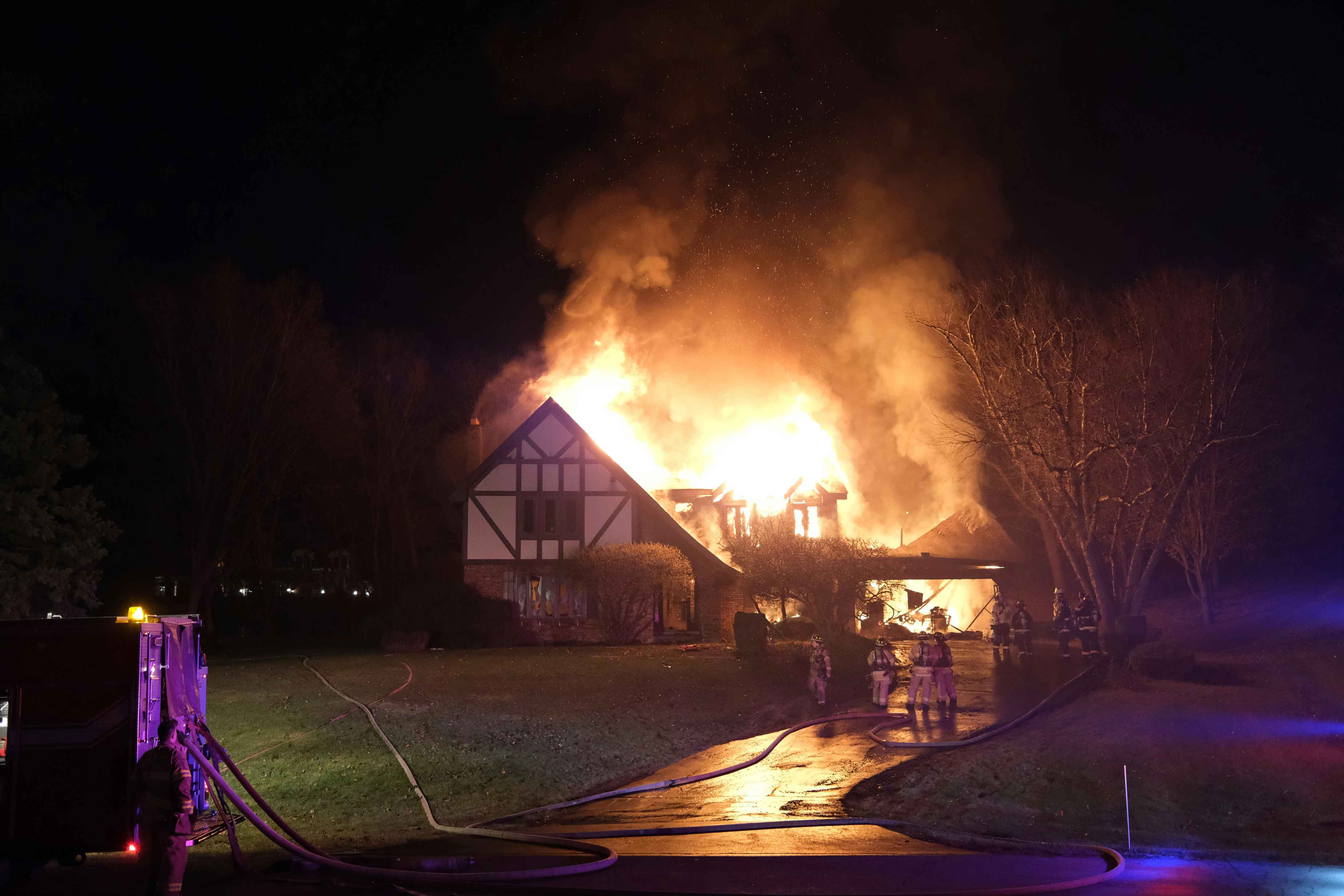
Once the fire's out and the smoke has cleared, the roof is often one of the last things homeowners think to check, and one of the more expensive surprises once someone finally does. Roof fire damage repair costs vary widely depending on how the fire affected the structure, and understanding what actually drives that price helps you know what to expect once the estimates start coming in.
Why Roof Fire Damage Costs Vary So Much
Unlike a straightforward reroofing job, fire-related roof repair pricing depends on several overlapping factors. Whether the damage is isolated heat and smoke exposure or actual structural burning. How much water was introduced during firefighting efforts, since saturated decking often needs replacement, not just drying. Whether flashing, vents, or gutters near the fire's heat source were also affected. And how much of the roof needs replacement versus targeted repair.
What a Roof Fire Damage Assessment Actually Covers
Before any repair estimate can be accurate, a proper fire damage assessment needs to happen first. This includes a physical roof walk to check for heat warping or structural weakness, an attic inspection for smoke residue and hidden moisture, and documentation of everything found, since this becomes the basis for both the repair plan and the insurance claim.
How Water From Firefighting Adds to the Cost
Firefighting efforts introduce significant water into a roof structure, and that water needs its own line item in the repair estimate. Saturated decking and insulation often can't just be dried; they need to be removed and replaced. Understanding how proper water extraction and drying works explains why this step gets treated with the same urgency, and cost, as the fire damage itself.
Repair vs Full Roof Replacement
Not every fire-damaged roof needs full replacement. Isolated heat or smoke damage near the fire's source can often be repaired directly, keeping costs relatively contained. Widespread structural warping, repeated water saturation, or damage across a large section of the roof usually pushes the estimate toward full replacement instead, which changes the cost conversation considerably.
How Smoke and Soot Affect the Repair Estimate
Not all fire residue behaves, or costs to clean, the same way. Understanding the difference between smoke damage and soot damage matters here, since roofing materials exposed to heavy soot sometimes need replacement even when structural warping isn't present, simply because the material can't be fully cleaned.
How Insurance Typically Handles Roof Fire Damage Claims
Most homeowner and commercial policies cover fire-related roof damage, but the claims process depends heavily on documentation. A thorough assessment completed before any cleanup or repair begins gives your insurance adjuster clear evidence of what happened and what it will cost to fix, which tends to move the claim along faster than an incomplete or delayed inspection.
What Commercial Properties Should Expect Differently
Commercial roofs bring added complexity to fire damage repair costs, larger surface area, different roofing materials, and often rooftop equipment that also needs inspection. This tends to overlap with the same considerations covered in commercial fire damage restoration, where the roof is just one part of a much larger claim and repair process.
Why Getting an Estimate Fast Matters
Roof damage left unaddressed after a fire tends to get more expensive the longer it sits. Exposed decking allows further water intrusion during the next rain, and delayed repairs give mold more time to take hold in already-saturated materials. Acting quickly on both the assessment and the repair estimate keeps the eventual cost closer to what it should have been.
Frequently Asked Questions
How much does fire damage roof repair typically cost?
Costs vary significantly based on the extent of structural damage, water saturation, and whether repair or full replacement is needed, which is why an in-person assessment is the only reliable way to get an accurate number.
Will my insurance cover roof repair after a fire?
Most policies cover fire-related roof damage, though coverage details vary. A documented professional assessment helps support your claim and speeds up approval.
How do I know if my roof needs repair or full replacement after a fire?
Isolated heat or smoke damage can often be repaired, while widespread structural warping or repeated water saturation usually points toward replacement instead.
Does water damage from firefighting always affect the roof?
In most cases, yes. Firefighting efforts typically introduce significant water, which needs to be assessed and addressed alongside the fire and smoke damage itself.
Contact NCRI
If your roof has been affected by fire, smoke, or firefighting water, NCRI provides thorough assessments and documentation to support both your repair plan and your insurance claim.
Call NCRI at 833-409-5778 or email info@ncricat.com to schedule a roof fire damage assessment today.
Related Posts