Cold Weather Restoration Challenges in the Kansas City Metro
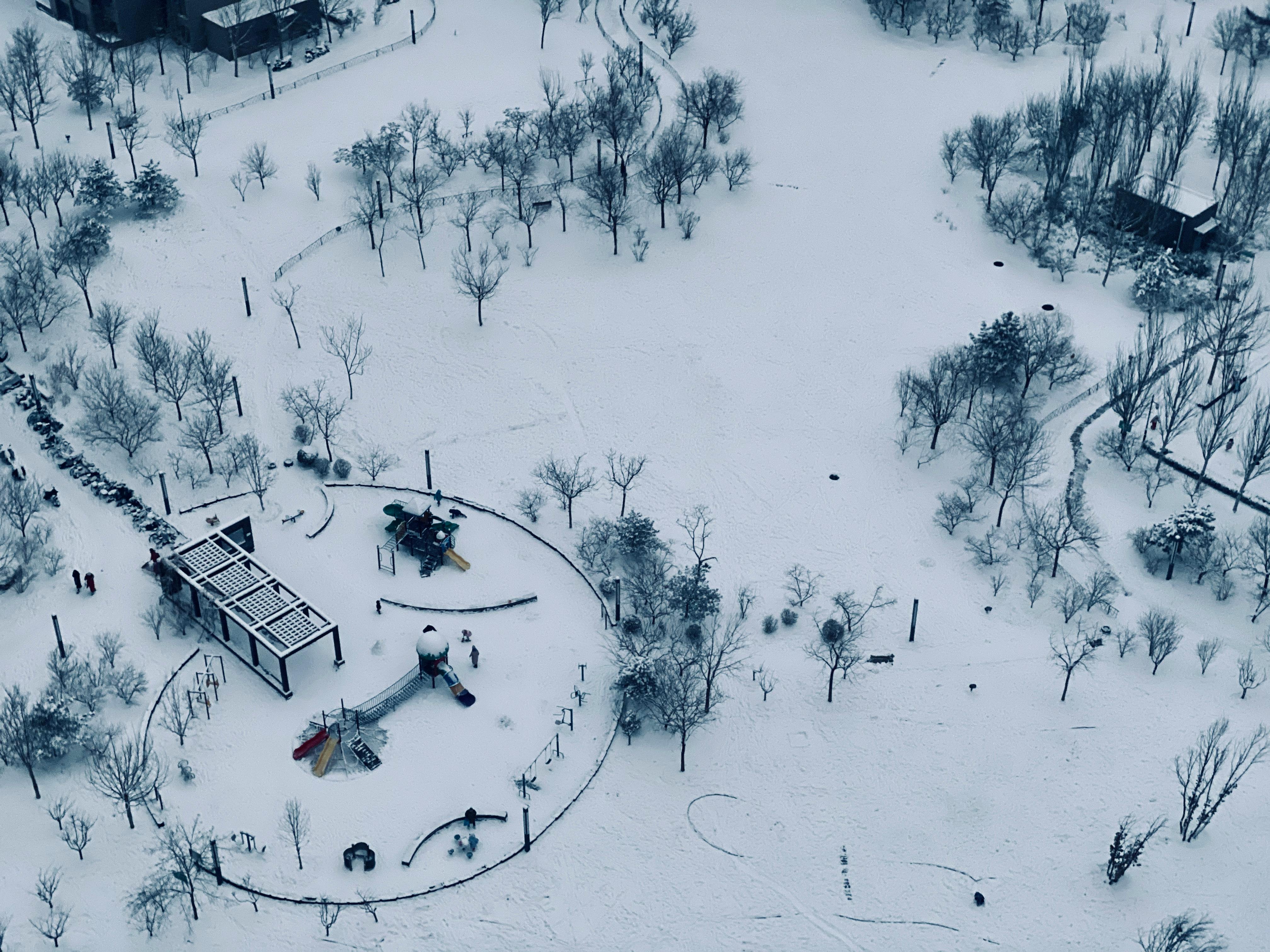
Winter conditions in the Kansas City metro present unique challenges for commercial and multi-family properties. Freezing temperatures, aging infrastructure, and fluctuating weather patterns make cold-weather restoration more complex—and more urgent—than in other seasons.
Understanding these challenges helps property managers act faster, reduce damage, and avoid costly downtime.
Frozen Pipes & Burst Lines
One of the most common winter emergencies in commercial buildings is frozen or burst piping.
High-risk areas include:
- Mechanical rooms
- Exterior walls
- Vacant or under-heated units
- Fire suppression and sprinkler systems
When pipes freeze, pressure builds quickly leading to sudden, high-volume water loss once thawing begins.
Hidden Moisture & Slow Drying
Cold temperatures significantly slow evaporation, making winter drying more difficult.
Challenges include:
- Moisture trapped behind walls and ceilings
- Condensation buildup
- Reduced airflow due to sealed buildings
Professional restoration teams use controlled heat drying and moisture monitoring to ensure water is fully removed—even in sub-freezing conditions.
Ice Dams & Roof Leaks
Snow accumulation combined with freeze-thaw cycles can create ice dams, forcing water beneath roofing materials.
Commercial flat roofs are especially vulnerable, leading to:
- Ceiling damage
- Insulation saturation
- Electrical risks
Early detection and mitigation prevent widespread interior damage.
Mold Risk Despite Cold Temperatures
A common misconception is that mold won’t grow in winter. While cold air slows growth, indoor heated environments create ideal mold conditions once moisture is present.
Delayed drying or incomplete restoration can allow mold to develop inside walls, insulation, and HVAC systems.
Access & Response Limitations
Winter storms can delay response times if restoration companies are not prepared for cold-weather emergencies.
NCRI maintains:
- 24/7 dispatch availability
- Cold-weather drying equipment
- Scalable response teams for large properties
This ensures rapid deployment even during severe winter conditions.
How Property Managers Can Prepare
- Insulate vulnerable piping
- Maintain consistent building heat
- Schedule winter inspections
- Establish an emergency restoration partner in advance
Preparation reduces response time when every minute counts.
Why NCRI Is Built for Midwest Winters
NCRI has extensive experience restoring commercial and multi-family properties throughout Kansas City and the Midwest. We understand local building types, weather patterns, and winter-specific restoration techniques.
24/7 Emergency Cold-Weather Restoration
Kansas City & Surrounding Markets
Related Posts